

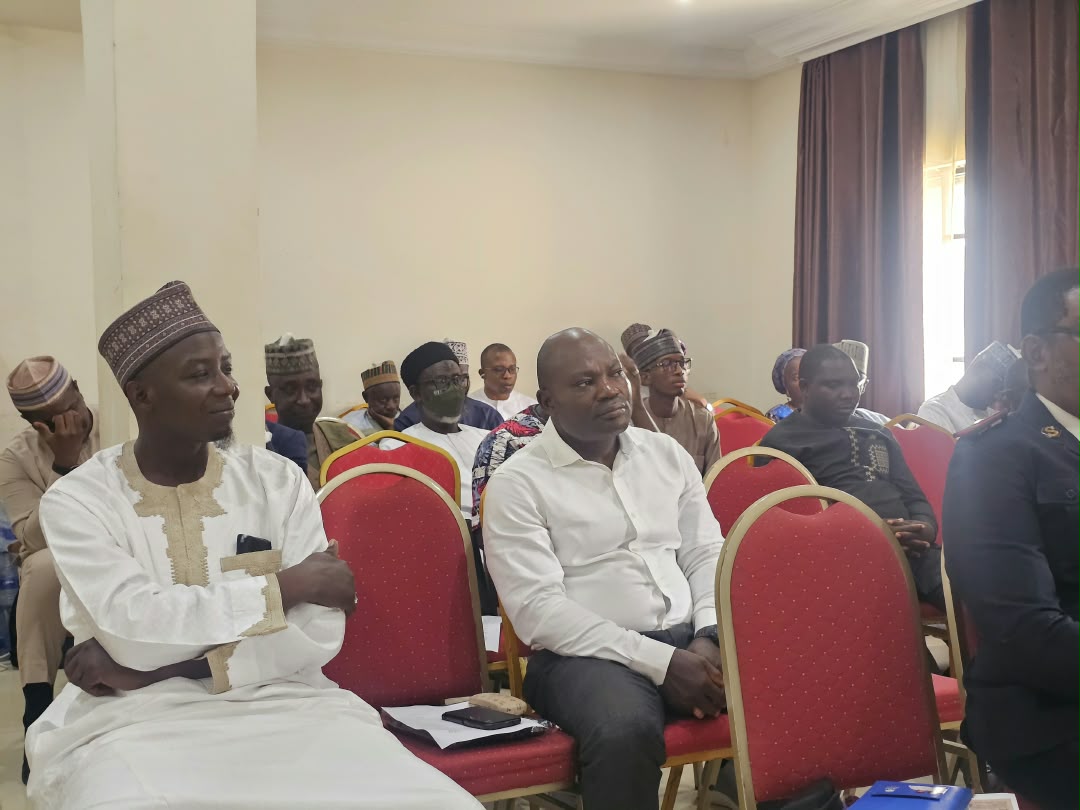
Thirty religious leaders have called for stronger collaboration between the Federal Government, religious institutions and technology stakeholders to promote the responsible use of Artificial Intelligence (AI) in Nigeria.
The call was made at a public lecture organised by the Nigeria Religious Coalition on Artificial Intelligence (NRCAI), under the Christian Council of Nigeria (CCN) and Jama’atu Nasril Islam (JNI), to strengthen religious leaders’ capacity to address AI-related risks and promote ethical practices.
Dr Usman Abdullahi, Head of IT Projects at the National Information Technology Development Agency (NITDA), who represented its Director-General, Kashifu Inuwa Abdullahi, said religious institutions were important partners in promoting responsible AI adoption.
He said Nigeria’s National Artificial Intelligence Strategy recognised their role, adding that its implementation required cooperation among government agencies, regulators, civil society and professional bodies.
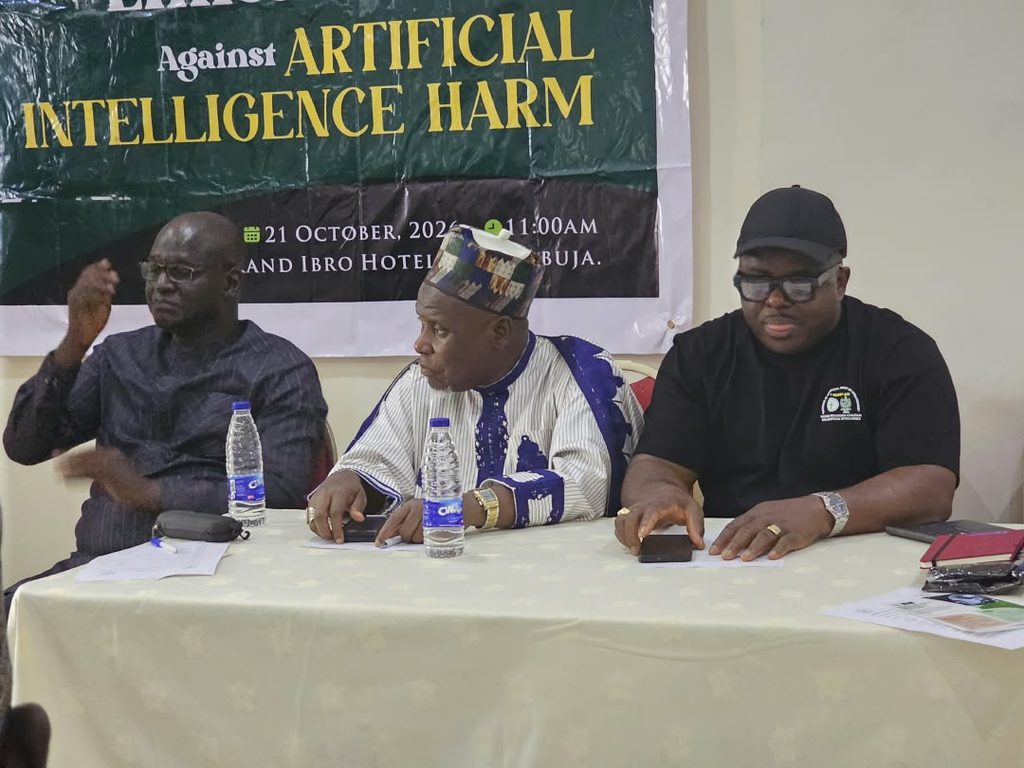
Abdullahi also highlighted the potential of Nigeria’s youthful population to develop innovative AI solutions, assuring that NITDA remained committed to building young people’s capacity to use the technology responsibly.
The General Secretary of CCN, Bishop Evans Onyemara, said the coalition was working towards a framework to guide AI use in religious communities.
He expressed concern over unregulated AI’s potential impact on children and young people, particularly through online content, academic dishonesty and declining critical-thinking skills.
While supporting AI applications in agriculture, medicine and production, Onyemara called for safeguards against harmful uses, including lethal autonomous weapons.
In his keynote address, the Founder and Chief Executive Officer of STEM Garage Africa, Engr Ronald Ajiboye, urged the inclusion of religious leaders in developing Nigeria’s AI governance framework.
Ajiboye, who is also Co-Chairperson of the African Union Private Public Partnership Forum, said religious institutions could provide moral guidance for ethical AI development, particularly in Nigeria, where religion significantly influences community relations.
He warned that manipulated AI-generated content could inflame religious tensions and deepen divisions, stressing that religious leaders’ participation in policymaking would promote inclusiveness and responsible technology use.
“Let us not reject AI. Let us adopt it, but before we adopt it, let us understand it,” he said.
Ajiboye also advocated bridging the technology knowledge gap between older religious leaders and young people, while recommending a steering committee with clear timelines and an action plan to translate the coalition’s discussions into practical outcomes.
He urged the coalition to collaborate with NITDA to strengthen the initiative and advance ethical AI governance in Nigeria.








Leave a Reply