

Ushafa community in Bwari Area Council of Abuja is an unapparelled example of contrast and irony. A community that hosts part of the infrastructure supplying water to Abuja yet remains excluded from its benefits. In this report, The Lantern’s Florence Joshua tells the story of how the capital city flows with water while Ushafa searches.
By Florence Joshua
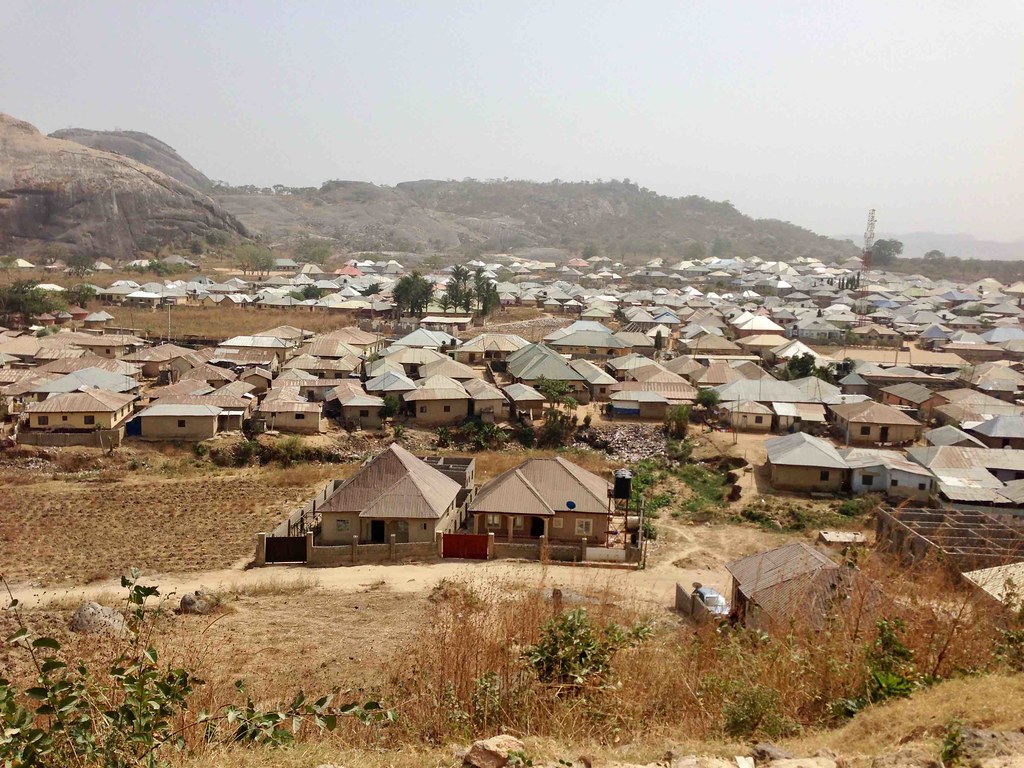
In Ushafa, a community tucked behind rocky hills, is host to the Usuman Dam, where the city of Abuja gets its public water supply. The residents of Ushafa ironically begin their day struggling to get water, starting before sun rise.
Women step out with plastic containers balanced against their heads. Children trail behind, some barefooted, navigating narrow paths that wind through stones and shrubs. Their destination is uncertain, a borehole that may or may not be working, a stream that may or may not be safe. For many here, water is not a utility. It is a daily gamble.
Yet, just minutes away lies the Usuman Dam, one of the major sources supplying treated water to parts of Nigeria’s capital. The irony is hard to ignore. While water flows toward the city centre, Ushafa remains largely cut off from it.
Located in the Bwari Area Council, about 45 kilometers from Abuja’s urban districts, Ushafa sits at the intersection of rural neglect and urban expansion. It is close enough to the capital to feel its pull, but far enough to be excluded from its infrastructure.
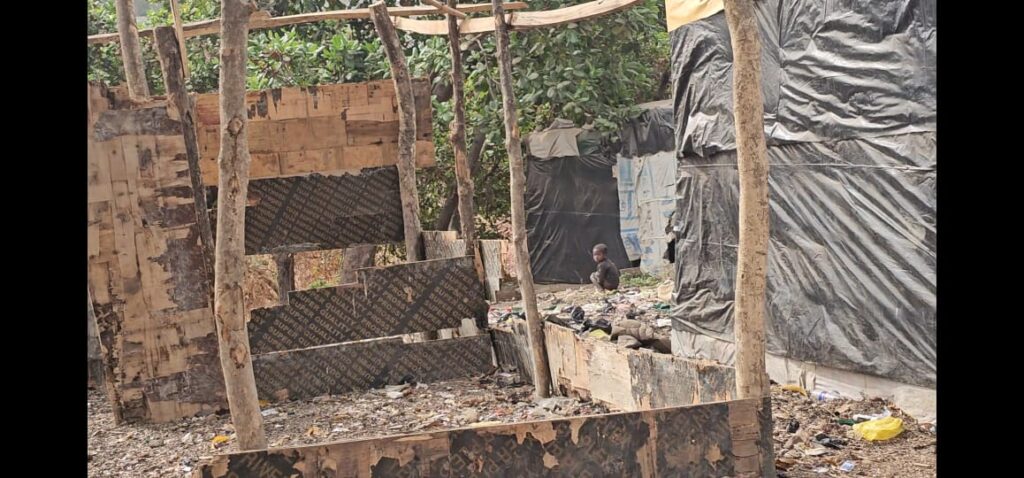
At the entrance to the community from Kubwa, the scene is deceptively lively. Makeshift roadside joints serve bush meat and freshly tapped palm wine, drawing visitors looking for a quick escape from the city’s boisterous routine. Laughter and music drift into the air.
But beyond that narrow strip of activity lies a different reality, one defined by scarcity.
Built on stone, living without toilets
The physical landscape of Ushafa dictates how people live. The ground is rocky, stubborn, and unforgiving. Digging into it requires more than effort; it requires money, tools, and technical expertise most residents simply do not have.
The result is visible in the design of many homes, structures built without toilets.
In their absence, open defecation becomes widespread. Bush paths double as makeshift sanitation spaces. Early mornings and late nights offer the only cover for those seeking privacy.
“You try to dig, you meet rock,” said a middle-aged resident, who identified himself simply as Dogo, pointing to a patch of hardened soil behind his home. “To build a proper toilet here is expensive. Many people just cannot afford it.”
This is not merely an infrastructural gap. It is a question of dignity.
Choosing between water and hygiene
Water scarcity deepens the problem. There are only a handful of boreholes serving large sections of the community, and even those are unreliable. When they break down or run dry, residents turn to streams and seasonal sources, many of which are exposed to contamination.
During the dry season, the situation worsens. Water points shrink or disappear entirely, forcing longer journeys and tougher choices.
“You have to decide what the water is for,” said road side corn seller, Talatu Bako. Standing beside a row of yellow jerrycans, the mother of three said: “Cooking, drinking, bathing, you cannot do everything.”
In such conditions, sanitation becomes a secondary concern.
A cycle of contamination
When the rains come, they bring little relief.
They wash human waste from open spaces into nearby water sources. Streams that serve as lifelines become channels of contamination. The same water used for washing and, sometimes, drinking carries invisible risks.
The consequences could be dire: diarrheal diseases, cholera outbreaks, and recurring infections that disproportionately affect children are among feared repercussions.
In a community with limited access to healthcare, these preventable illnesses often go untreated or are managed too late.
Growth without planning
Like many communities on Abuja’s fringes, Ushafa is growing.
Rising housing costs in the city have pushed more people outwards, into areas like Ushafa where land is relatively affordable. New buildings appear steadily, but they often come without basic services.
Water systems are not expanded. Sanitation is not planned. Infrastructure lags behind population.
The rocky terrain only complicates matters, making conventional solutions more difficult and more expensive to implement.
Policy promises, local realities
Nigeria has pledged to end open defecation and improve access to water and sanitation. But in Ushafa, those commitments feel distant.
A one size fits all approach will not work here. The terrain demands alternative solutions, eco sanitation systems, community managed toilets, and tailored water infrastructure.
But these require more than policy statements. They require sustained investment and political will.
Living with the cost
For residents, the consequences are deeply personal.
It is the young girl who misses school because she must fetch water. It is the woman who waits until nightfall to relieve herself in safety. It is the child who falls ill from water that should have sustained life, not threatened it.
In Ushafa, water scarcity is not just about access. It is about health, safety, opportunity, and dignity.
And until deliberate action bridges that gap, the daily routine will remain unchanged, long walks, difficult choices, and a quiet resilience in the face of neglect.




Leave a Reply