

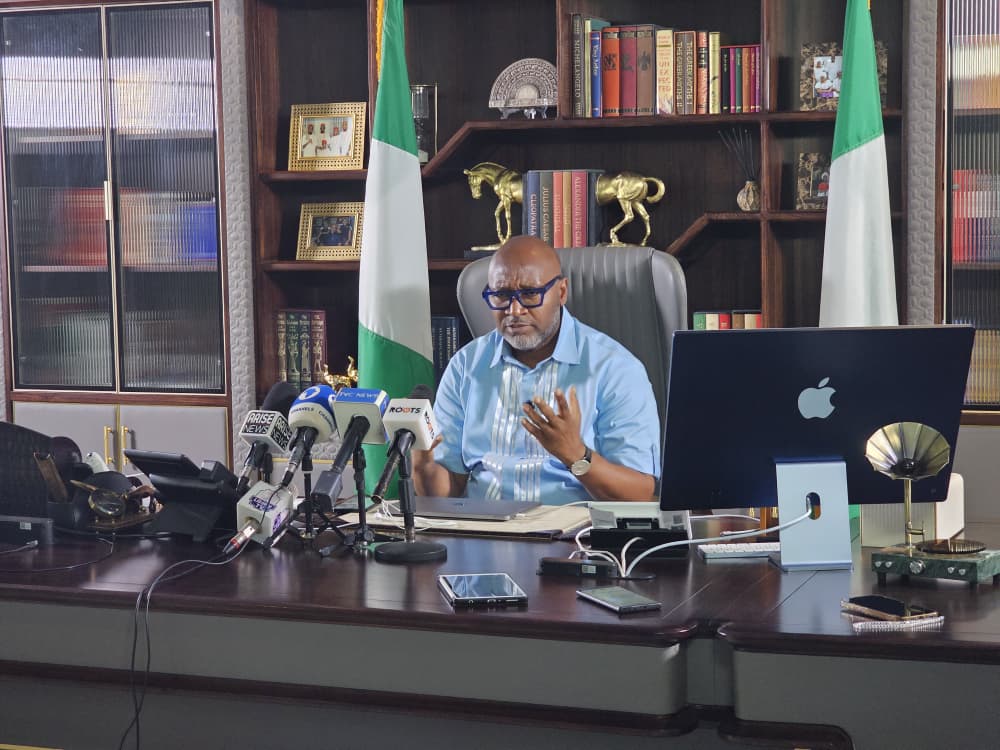
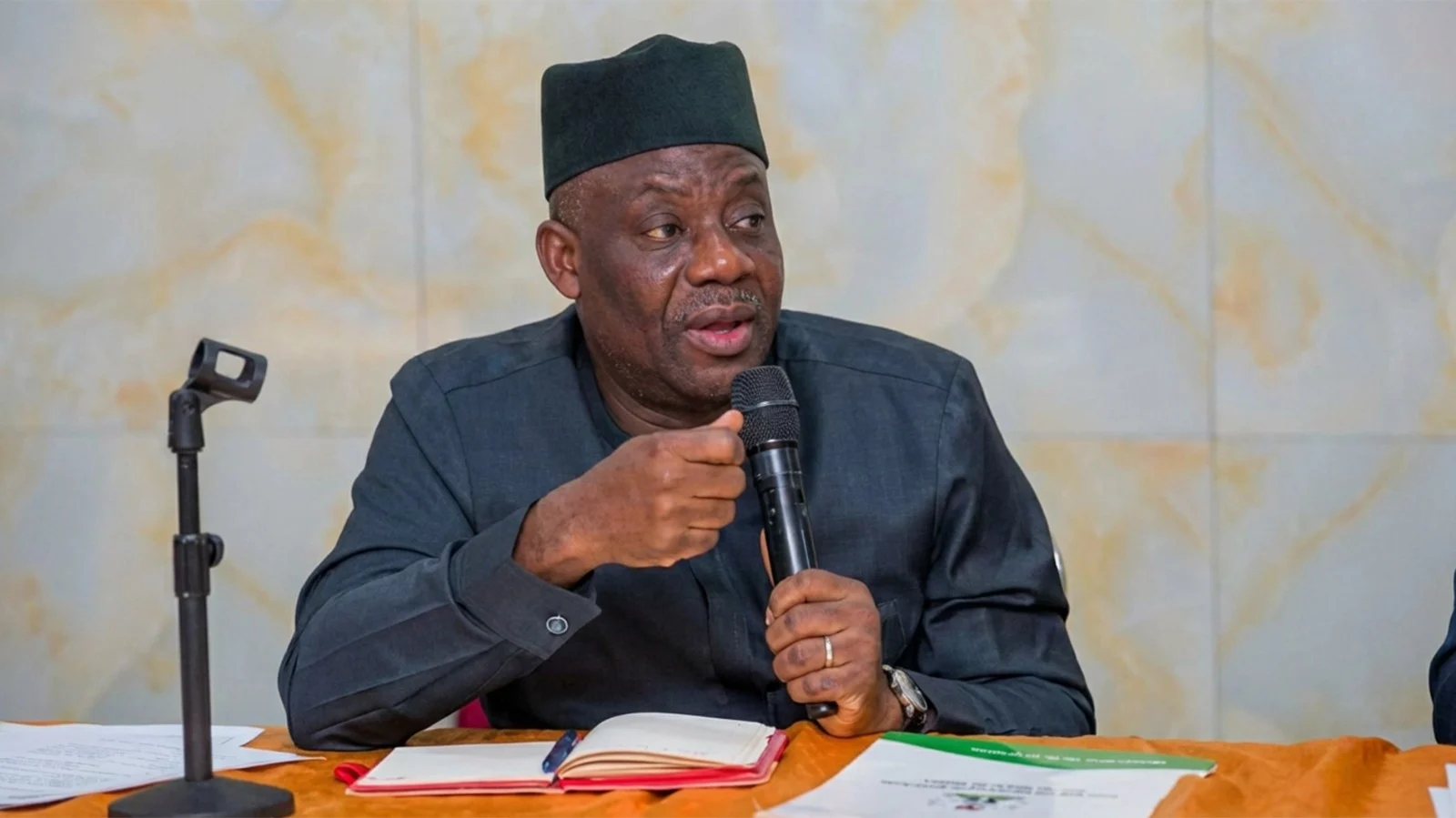
Former presidential candidate, Dumebi Kachikwu, has launched a scathing attack on what he described as “political terrorists,” accusing President Bola Tinubu of failing to unite Nigerians against common national challenges.
Speaking on recent political developments in Nigeria, Kachikwu alleged that the President has not done enough to galvanise citizens towards addressing insecurity and economic concerns, warning that “the silent majority must not be ignored.”
He also said referenced the internal crisis within the African Democratic Congress (ADC), particularly the planned party convention.
Kachikwu argued that the recent court orders do not affect what he described as the “real ADC,” distancing his faction from what he called the “David Mark group.”
On the pending Supreme Court matter scheduled for April 22, he said his group would “cross the bridge when they get there,” indicating confidence as legal proceedings continue.
Responding to allegations that the Presidency is backing his political activities, Kachikwu dismissed the claims, arguing that his antecedents show he is capable of independent action. He, however, added that if any such collaboration exists, it would come to light in due course.
When asked about court involvement in party affairs, he argued that external bodies should not interfere in internal political disputes, but controversially disagreed with claims by the Nigerian Bar Association that the matter is purely an internal party issue, insisting that the situation involves individuals who “emerged overnight and claimed membership.”
Kachikwu also weighed in on the controversy surrounding the INEC Chairman, Professor Joash Ojo Amupitan, stating that if evidence eventually confirms wrongdoing related to alleged social media accounts, the Chairman should resign. He added, however, that security agencies must first establish facts before any conclusions are drawn.
The remarks add to growing political tensions within the ADC and broader debates over party legitimacy, internal democracy, and the role of institutions in resolving political disputes.



Leave a Reply