

By Florence Joshua
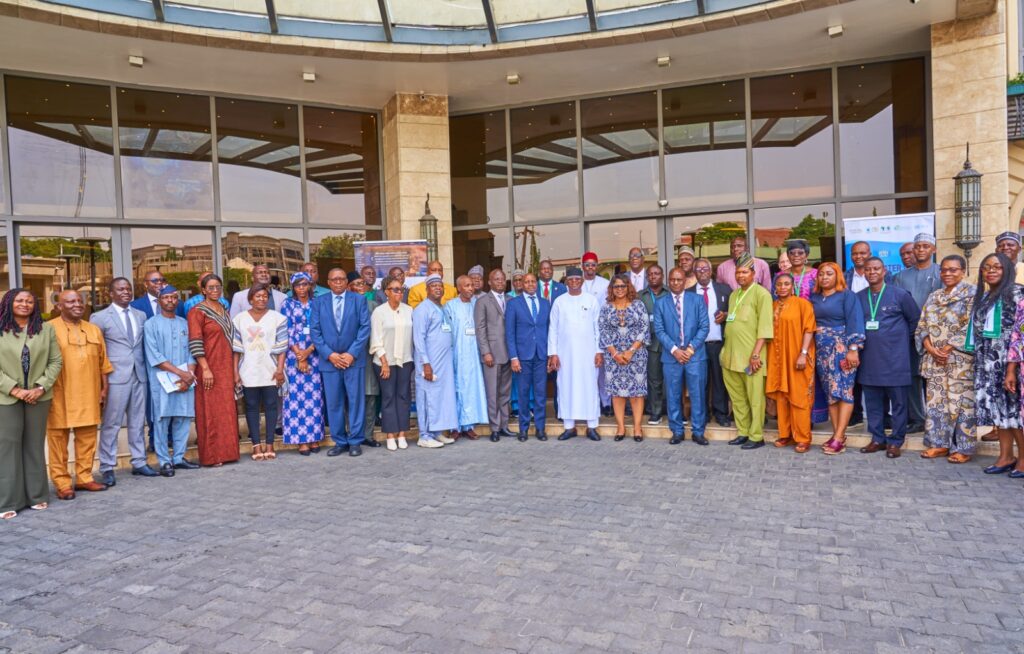
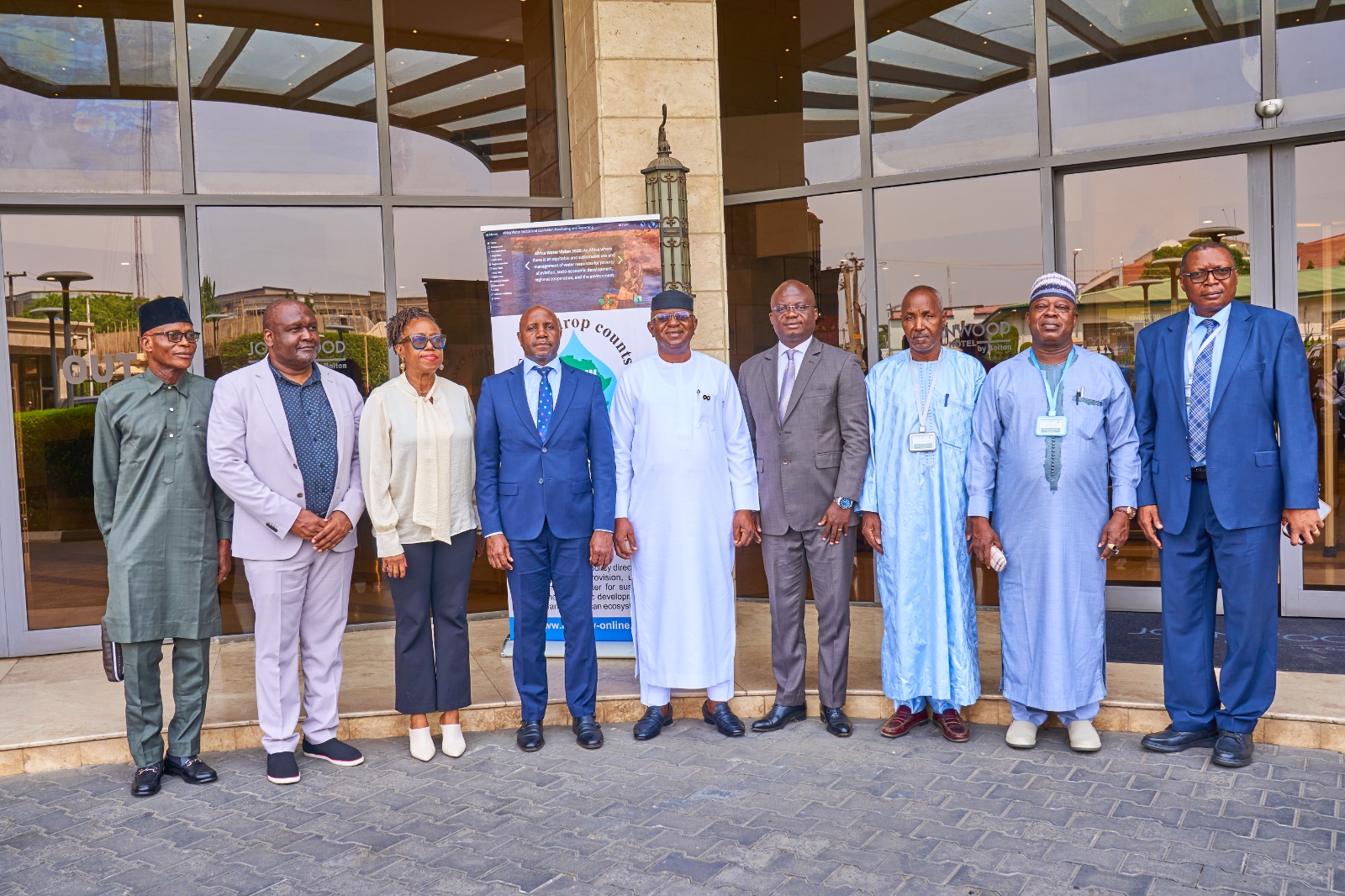
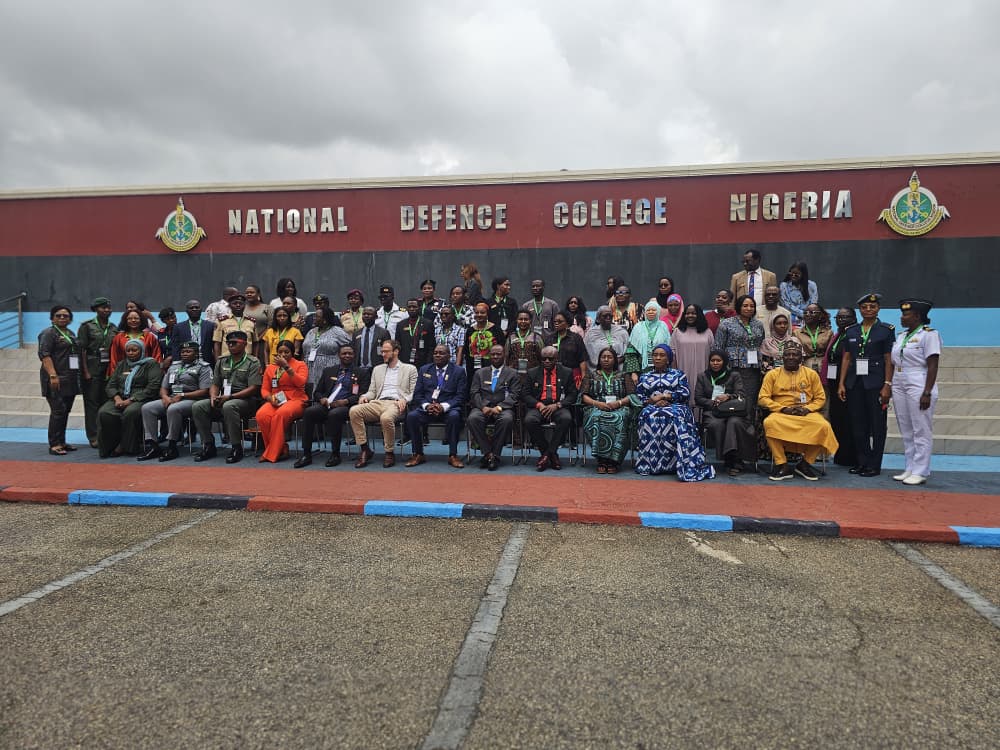
Stakeholders from across West Africa have convened in Abuja for a three-day sub-regional consultation aimed at developing the First Implementation Plan (2026–2033) for the Africa Water Vision 2063.
The high-level meeting, hosted by the Federal Government of Nigeria under the African Ministers’ Council on Water, brings together representatives of Member States, the African Union Commission, Economic Community of West African States, development partners, and technical experts.
The consultation forms part of continent-wide efforts to translate Africa’s long-term water and sanitation vision into an actionable roadmap aligned with Agenda 2063.
In a statement delivered on behalf of the AMCOW Secretariat, officials congratulated Member States for securing the designation of 2026 as the African Union Theme of the Year: “Assuring Sustainable Water Availability and Safe Sanitation Systems to Achieve the Goals of Agenda 2063.” The theme was adopted during the AU Assembly in Addis Ababa in February 2026.
The Secretariat described the decision as a major milestone, noting it marks the first dedicated continental focus on water and sanitation since the 2008 Sharm El-Sheikh commitments ending an 18-year gap.
It further emphasized that the Africa Water Vision 2063, endorsed in September 2025, now serves as Africa’s unified framework for advancing water security and sanitation, while also positioning the continent for key global events, including the 2026 UN Water Conference and the 11th World Water Forum in 2027.
“The greatest challenge before us is to ensure that we develop a comprehensive, actionable, and evidence-based implementation plan,” the statement said, stressing the need for high-impact initiatives that can deliver quick wins, attract investment, and strengthen regional cooperation.
The Secretariat also highlighted Africa’s growing influence in global water governance, with several countries playing leading roles in shaping discussions on investment, cooperation, climate resilience, and equitable access.
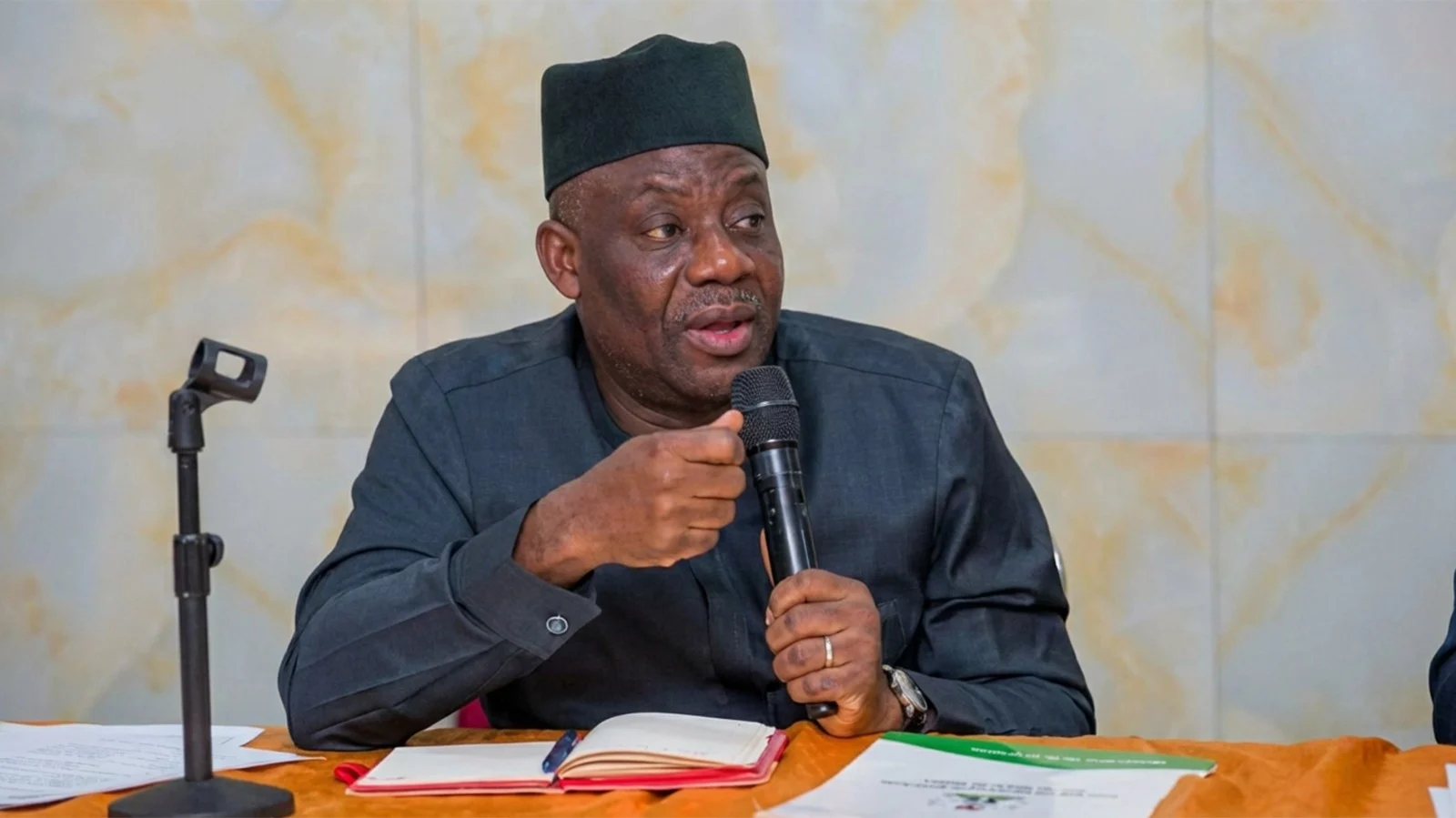
Delivering the opening address, Nigeria’s Minister of Water Resources and Sanitation, Joseph Terlumun Utsev, described the consultation as both “timely and strategic,” citing increasing pressure on water resources driven by rapid urbanisation, climate variability, and rising demand.
While acknowledging progress under previous frameworks, he noted that significant gaps remain in achieving universal access to safe water and sanitation, as well as in ensuring climate-resilient water management across the continent.
Utsev outlined key priorities for the meeting, including aligning regional targets, strengthening policy and financing frameworks, identifying transformative programmes, and establishing strong implementation and accountability systems.
He also highlighted Nigeria’s ongoing efforts under the administration of Bola Ahmed Tinubu, including major initiatives such as SURWASH, PEWASH, the Clean Nigeria Campaign, and the Sustainable Power and Irrigation for Nigeria (SPIN) project.
Deliberations over the next few days will focus on identifying regional priorities and scalable initiatives to drive progress toward sustainable water access and sanitation across West Africa.




Leave a Reply