

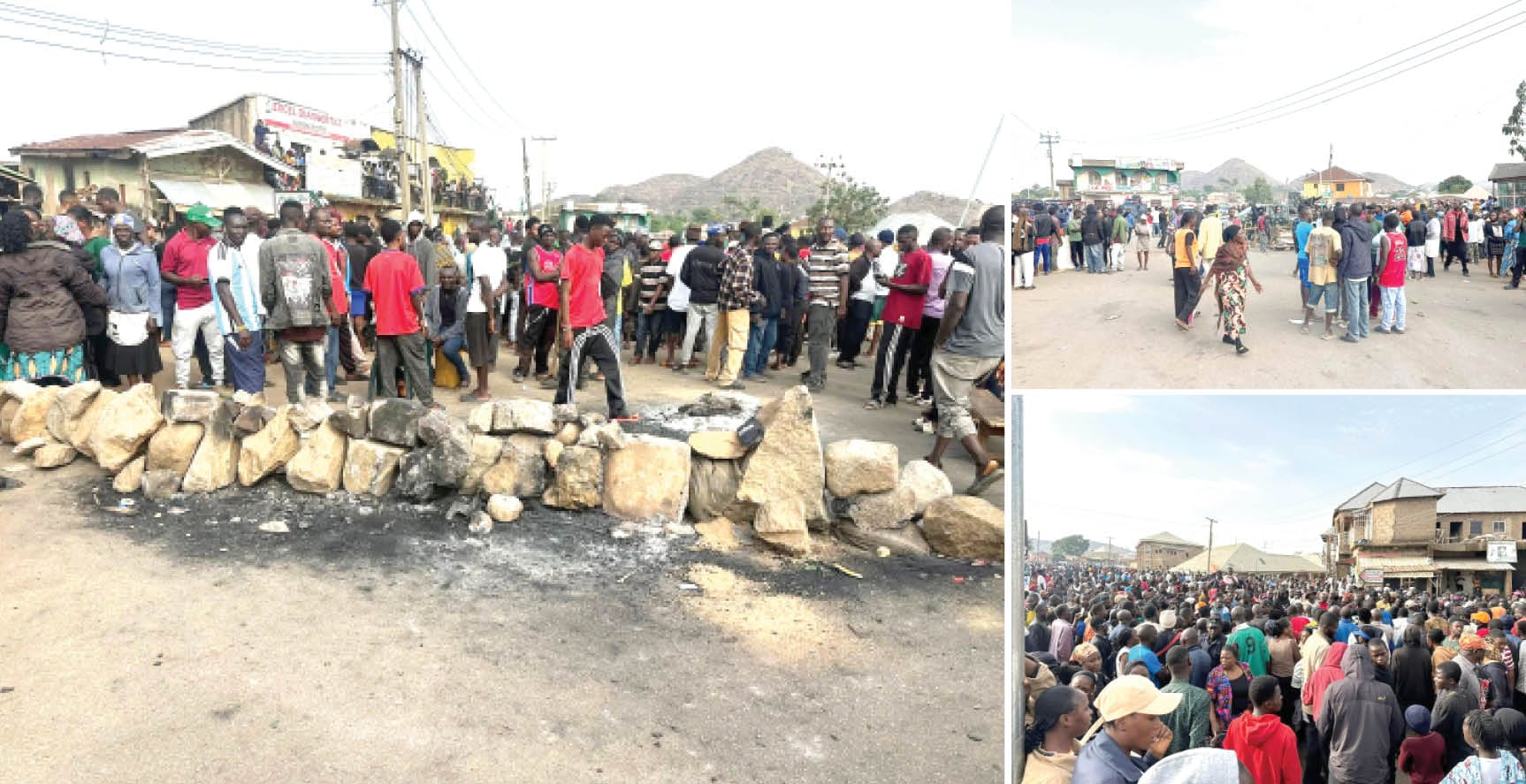
ABUJA / JOS — Fresh violence in Plateau State has once again highlighted Nigeria’s worsening security challenges, following the killing of dozens of residents in coordinated attacks by gunmen.
The latest incident occurred in communities within Jos North Local Government Area, where armed assailants reportedly stormed residential areas at night, opening fire indiscriminately on civilians. According to local sources and officials, at least 20 to 30 people were killed, with several others injured in the ആക്രമations.
Eyewitnesses said the attackers, many riding motorcycles, carried out the assault under the cover of darkness, leaving panic and destruction in their wake. Homes were reportedly targeted, forcing residents to flee for safety.
In response, the Plateau State Government imposed a 48-hour curfew in affected areas to prevent further escalation and allow security agencies to restore order. Authorities have condemned the killings, describing them as “barbaric and unprovoked,” while assuring residents that efforts are underway to apprehend those responsible.
So far, no group has officially claimed responsibility for the attack. However, analysts link the violence to long-standing tensions in Nigeria’s Middle Belt, particularly conflicts between farming communities and nomadic herders, as well as the activities of criminal gangs exploiting the region’s fragile security structure.
The incident is the latest in a series of deadly attacks that have plagued Plateau State in recent weeks. Earlier in March, armed groups ambushed security personnel in parts of the state, killing several operatives and underscoring the growing boldness of attackers.
Beyond the immediate casualties, the renewed violence has disrupted normal life in affected communities. Educational activities have been suspended in some areas, while residents continue to live in fear of further attacks.
Security experts warn that without urgent and coordinated action, the cycle of violence may persist. Plateau State, located in Nigeria’s volatile Middle Belt, has historically experienced recurring clashes driven by ethnic, religious, and land-use disputes.
The Federal Government has yet to announce new nationwide measures following the latest killings, but pressure is mounting on security agencies to respond decisively and prevent further loss of life.
As residents mourn the victims, many are calling for stronger protection, justice for those affected, and long-term solutions to the underlying causes of the conflict.













Leave a Reply