

By Florence Joshua
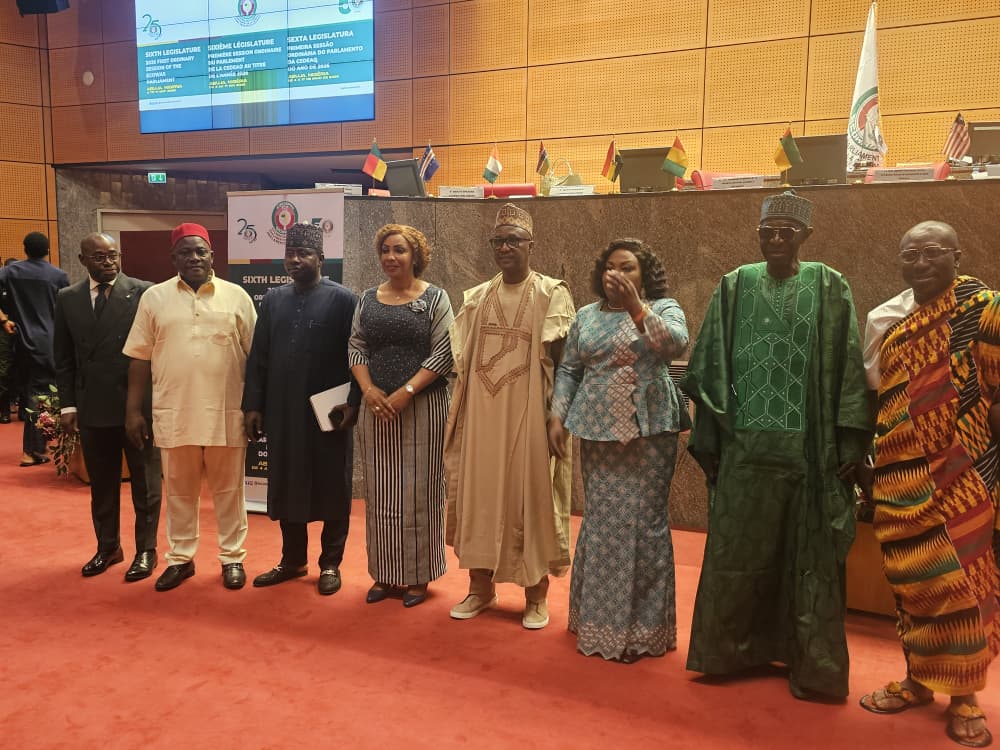
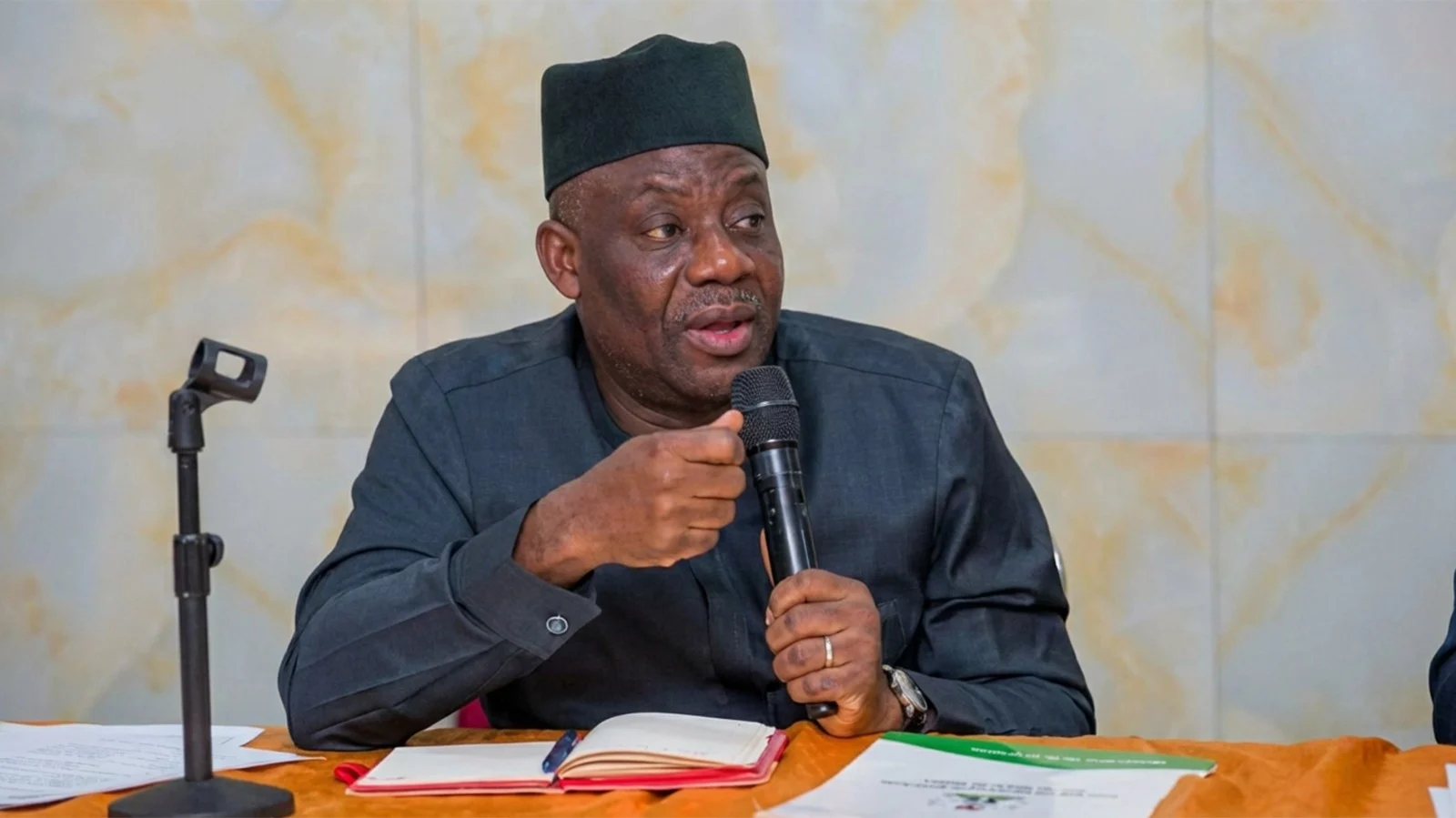
At a time when democratic systems across West Africa are facing growing scrutiny, Nigeria’s Speaker of the House of Representatives, Rt Honourable Abbas Tajudeen, has made a strong appeal for reforms, warning that the survival of democracy in the region now depended less on elections and more on performance.
Speaking at the opening of the 2026 First Ordinary Session of the ECOWAS Parliament in Abuja, Tajudeen framed the region’s democratic challenge in stark terms: citizens are no longer satisfied with the promise of democracy, they want results.
A Crisis Beyond Elections
Across West Africa, declining voter turnout and weakening public trust in institutions are raising difficult questions about the effectiveness of democratic governance.
According to Tajudeen, the issue is no longer whether democracy is preferred over military rule but that citizens have consistently rejected authoritarian systems and the question is: are democratic governments delivering enough to sustain that preference?
Recent unconstitutional changes of government in parts of the sub-region, Tajudeen noted, are not isolated incidents. They are symptoms of deeper institutional stress.
“Electoral legitimacy must be matched by governance outcomes,” he stressed, pointing to security, economic stability, and fairness in governance as the new benchmarks by which citizens judge their leaders.
ECOWAS Parliament Under Pressure to Evolve
Central to Speaker Tajudeen’s address is a renewed push to strengthen the powers of the ECOWAS Parliament, which currently operates largely in an advisory capacity.
He argued that a Parliament with limited authority cannot effectively respond to a region grappling with democratic reversals, insecurity, and economic uncertainty.
Proposals to transform the institution including granting it stronger legislative powers, enhancing oversight functions, and introducing direct elections have been discussed for years but remain largely unrealised.
Now, he says, the urgency is undeniable.
A more empowered regional parliament, he argued, would improve accountability, deepen representation, and serve as a stabilising democratic force across member states.
National Assemblies as the Frontline of Democracy
The Speaker also placed significant responsibility on national parliaments, describing them as the institutions where governance is most directly felt by citizens.
Where legislatures are active and responsive, democratic systems are strengthened. Where they are weak, the balance of power tilts—and public trust erodes.
In Nigeria, Tajudeen pointed to efforts by the National Assembly to improve legislative productivity, strengthen oversight, and expanded public engagement.
He highlighted the growing role of Parliamentary Friendship Groups as tools for cross-border collaboration, suggesting similar frameworks should be institutionalised across West Africa to deepen legislative cooperation.
Tinubu’s Reforms as a Test Case
Tajudeen positioned Nigeria’s current economic reforms under President Bola Ahmed Tinubu as an example of how democratic governments can implement difficult policies without abandoning constitutional order.
Measures such as fuel subsidy removal and exchange rate unification, he said, have reshaped the country’s fiscal landscape boosting revenues and increasing the capacity of state governments.
While acknowledging the challenges these reforms have created for citizens, he noted early signs of improvement, including increased fiscal inflows and expanded investment in infrastructure and social services.
More importantly, he argued, the reforms demonstrate that democratic systems can confront structural problems without resorting to military intervention.
A Warning Against Democratic Reversals
In a region where military coups have re-emerged, Tajudeen delivered a clear warning: such interventions do not solve governance problems—they delay them.
Instead, he called for sustained investment in democratic institutions, including credible electoral bodies, independent judiciaries, and effective legislatures.
At the regional level, he urged ECOWAS to move beyond frameworks and focus on implementation strengthening early warning systems, peer review mechanisms, and technical support for member states.
Looking Beyond West Africa
Tajudeen also pointed to global examples such as the European Parliament and the Pan-African Parliament, noting that regional legislative bodies can play a far more influential role in shaping governance outcomes.
For West Africa, he argued, this means deeper engagement in global legislative networks, stronger coordination among member states, and a more active role in addressing shared security and economic challenges.
The Bottom Line
The message from Abuja was clear: democracy in West Africa is not collapsing but it is under pressure.
Its future will depend not on rhetoric, but on results.
For Tajudeen, the path forward rests on three priorities delivering measurable outcomes, strengthening accountability, and translating regional cooperation into real action.
As the ECOWAS Parliament session unfolds, the challenge will be whether those words can be turned into policy and whether the policy can restore public confidence.
#LanternNews #ECOWAS #DemocracyInAfrica #NigeriaPolitics #WestAfrica





Leave a Reply