

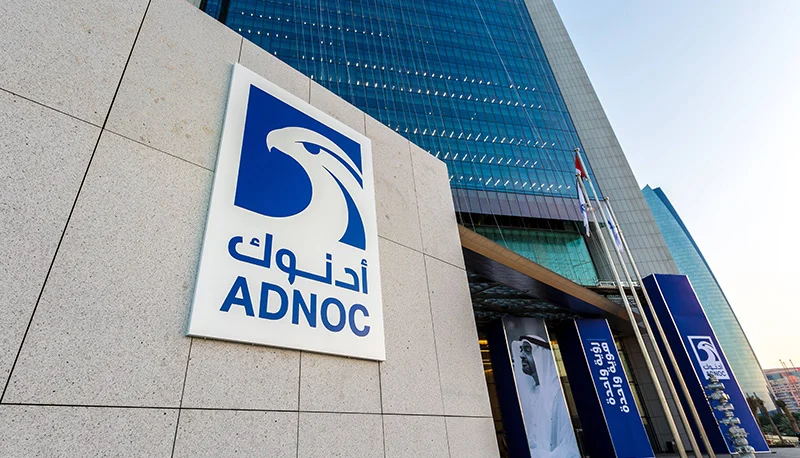
The United Arab Emirates’ state-owned oil giant ADNOC said Saturday one of its vessels came under attack in the Hormuz strait, the latest incident in the waterway at the centre of the US-Iran conflict.
Tehran has imposed an effective blockade of the strait, a vital shipping route for global energy supplies, carrying out strikes on commercial ships since the war began in February.
The Islamic republic has said it wants to charge users for passage, which Washington fiercely opposes.
The Abu Dhabi National Oil Company (ADNOC) “confirmed that one of its vessels was attacked while transiting the Strait of Hormuz on the evening of Friday, August 14”, according to the official WAM news agency, but reported no injuries.
In its statement, ADNOC stressed the importance of protecting seafarers and safeguarding freedom of navigation and maritime security.
After the attack, UAE presidential adviser Anwar Gargash said the Gulf state would defend its “rights to freedom of navigation” in the Strait of Hormuz.
“The repeated targeting of ADNOC tankers will not deter the UAE from pursuing a balanced and prudent policy based on the three pillars of deterrence, diplomacy, and adherence to international law,” he wrote in a post on X.
“We will exert every effort to strengthen a unified Gulf position, as it is a fundamental pillar for protecting the security of the region and the interests of its member states in this ongoing crisis.”
The announcement came a day after the UAE accused Iran of attacking two vessels linked to ADNOC as they passed through the strait.
The UAE foreign ministry condemned what it called a “hostile Iranian attack” on the vessels and said no injuries had been reported.
Last week, ADNOC reported that three of its tankers had been attacked in the waterway, while the Emirati foreign ministry separately announced an attack on another ADNOC tanker a day later.
Continued attacks in the strait, which was free to transit before the Middle East war began, led to the collapse of an April ceasefire between the United States and Iran.
A June deal — meant to serve as a jumping-off point for negotiations on a permanent settlement — had said Iran and Oman, also bordering the waterway, would hash out future arrangements for the strait in discussion with other Gulf countries and “in line with the applicable international law”.
Last week, Iranian official Mohammad Bagher Zolghadr set out a series of conditions for reopening the strait fully, including an end to what he described as war against Iran and its regional allies, the lifting of sanctions and compensation for wartime damage.
AFP







Leave a Reply