

By Florence Joshua, Cotonou, Republic of Benin
The Parliament of the Economic Community of West African States (ECOWAS) has endorsed the introduction of sanctions against member states that fail to comply with regional trade protocols, saying stronger enforcement is needed to promote economic integration and facilitate the free movement of people, goods and services across West Africa.
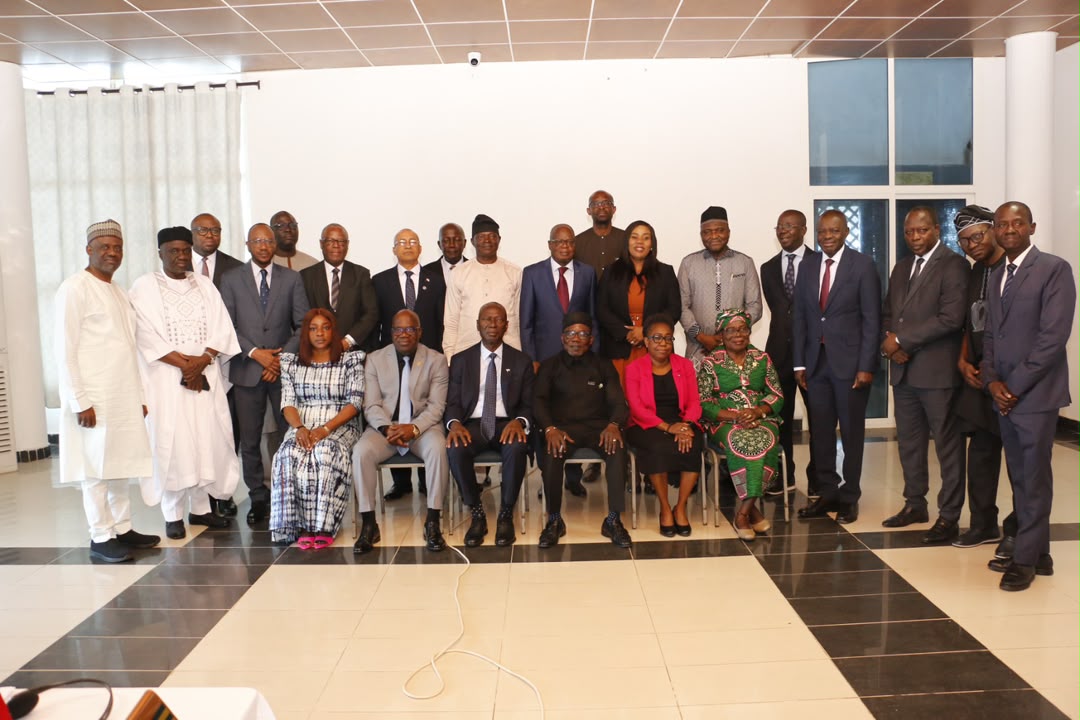
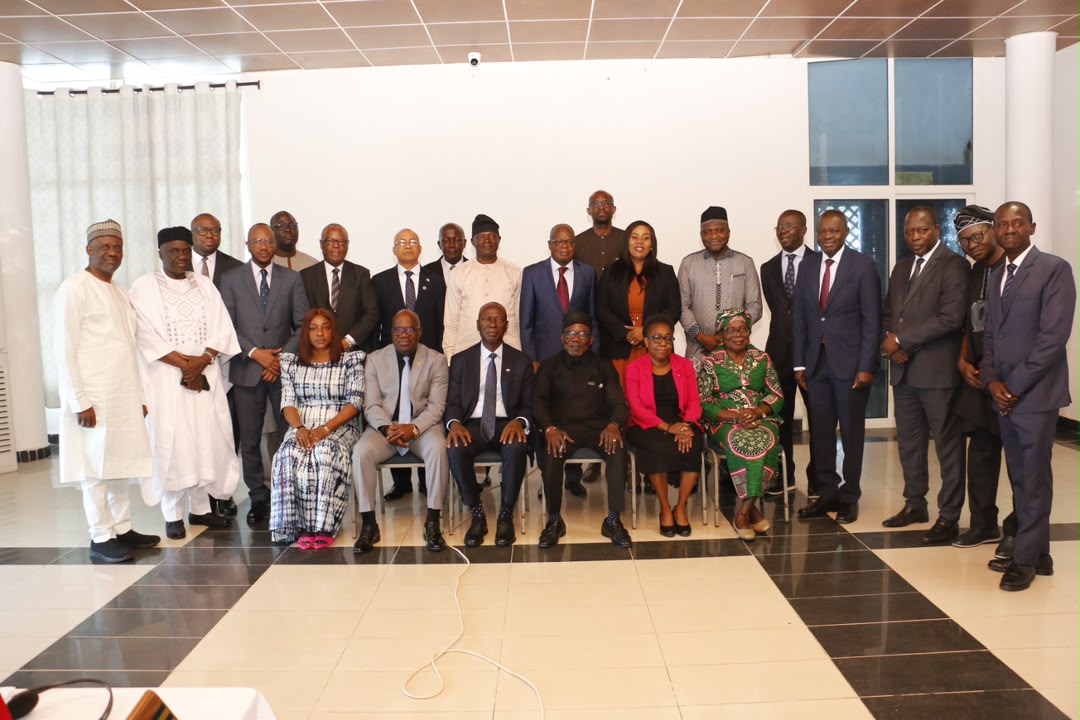
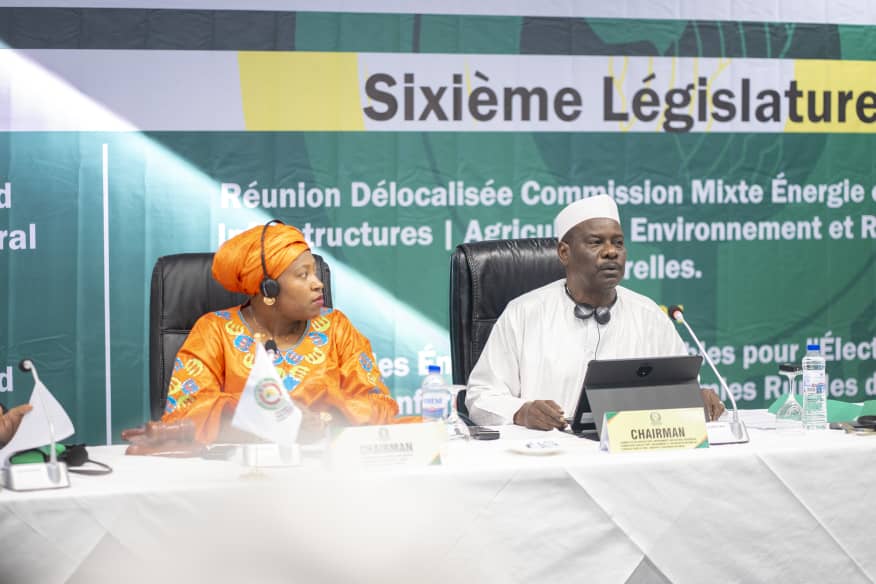
The position was expressed during a delocalised meeting of the ECOWAS Parliament’s Joint Committee on Industry and Private Sector, Macroeconomic Policy and Economic Research, Administration, Finance and Budget, and Public Accounts in Cotonou, Republic of Benin.
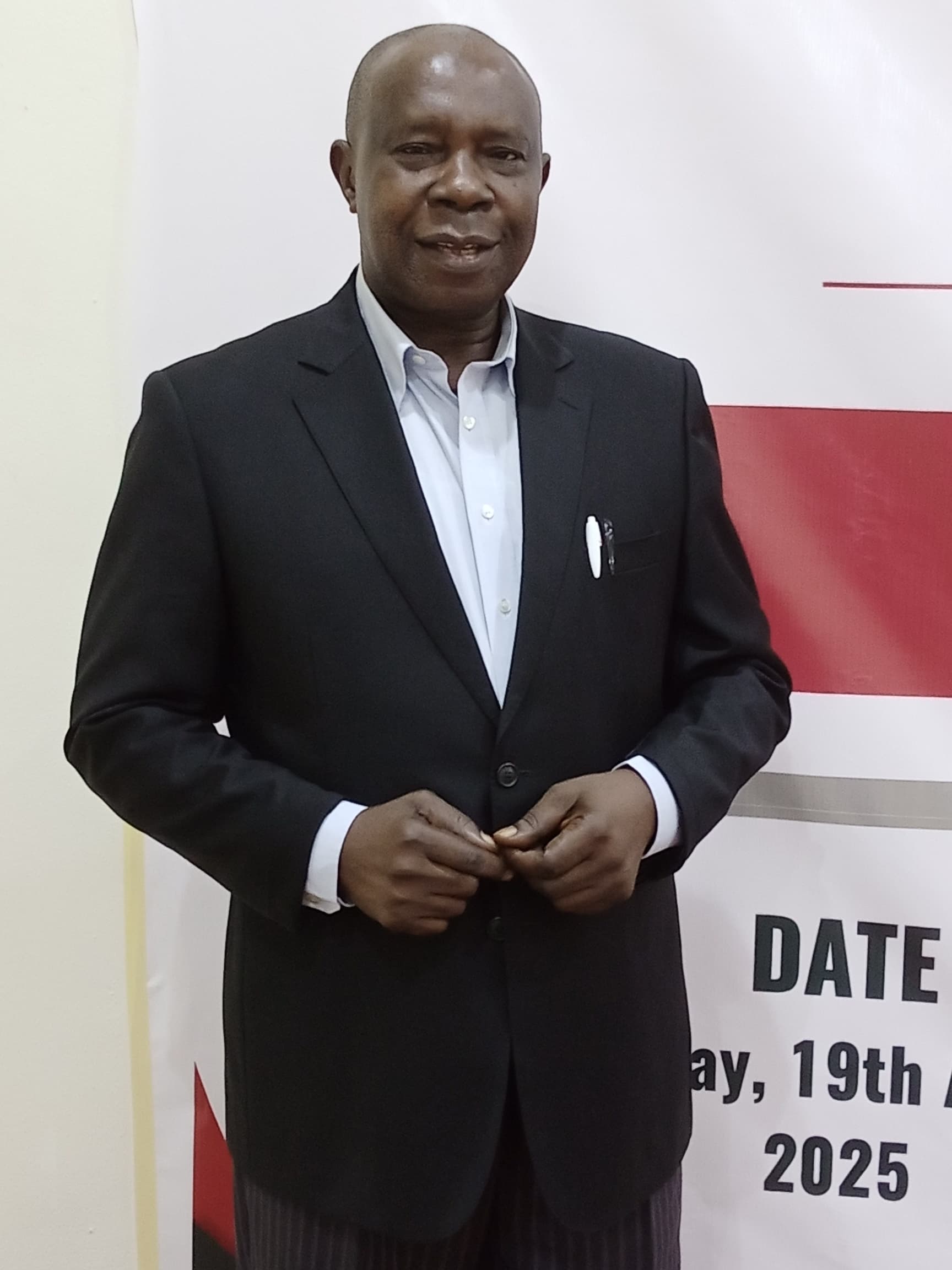
The endorsement follows a recommendation by Dr Tony Luka Elumelu of the ECOWAS Business Council Secretariat, who urged the regional bloc to impose sanctions on countries that continue to undermine trade agreements aimed at strengthening regional commerce.
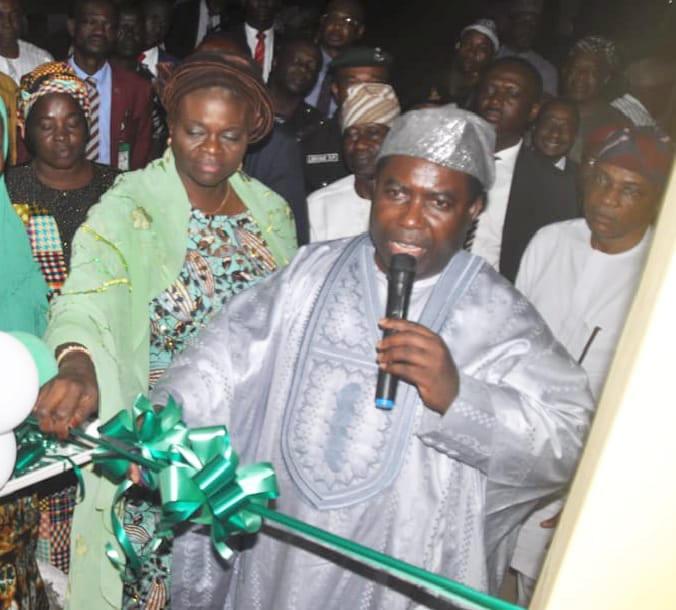
Speaking on the sidelines of the meeting on Tuesday, Nigerian lawmaker, Hon. Bashiru Dawodu, said the region could no longer afford to operate in isolation despite its enormous economic potential.
“We are about 400 million people in West Africa generating billions of dollars, but our challenge is that we are not integrated,” he said.
According to Dawodu, existing ECOWAS protocols are sufficient to drive regional trade, but stronger political will is needed to ensure compliance.
“We have the laws, but sometimes people have to be pressured to do the right thing. If countries know there are sanctions, I think they would do better,” he added.
The lawmaker stressed that the free movement of people, goods and services remains critical to expanding businesses across the sub-region, particularly Micro, Small and Medium Enterprises (MSMEs), which account for the majority of businesses in West Africa.
He noted that most MSMEs still operate within the informal sector, limiting their access to finance, regional markets and other economic opportunities.
“It is extremely important to integrate small and medium businesses into the regional value chain. Most of our people are engaged in small-scale businesses, yet they remain outside the formal economy. Better integration will improve financing, infrastructure and cross-border trade,” Dawodu said.
Also speaking, Liberian parliamentarian Hon. Taa Wongbe called on ECOWAS governments to move beyond commitments and begin implementing existing regional trade agreements.
He lamented that traders across West Africa continue to face unnecessary delays, multiple checkpoints and bureaucratic bottlenecks at border crossings despite decades of regional integration efforts.
Recalling his childhood experiences travelling across West African borders, Wongbe said little had changed over the years, with many traders still spending days on the road due to avoidable obstacles.
He proposed the establishment of a parliamentary committee to conduct on-the-spot assessments of border posts across the region to better understand the challenges confronting traders and recommend practical solutions.
According to him, reducing roadblocks and administrative barriers would lower the cost of transporting goods, making products more affordable while enhancing regional competitiveness.
The discussions underscored the urgent need for stronger political commitment to fully implement ECOWAS trade protocols and deepen economic integration across the sub-region.
With the Parliament backing sanctions and the ECOWAS Commission advocating stricter enforcement, attention now turns to the Authority of ECOWAS Heads of State and Government, whose decision will determine whether sanctions become part of the bloc’s strategy to promote regional trade, strengthen MSMEs, reduce poverty, create jobs and address insecurity across West Africa.






Leave a Reply