

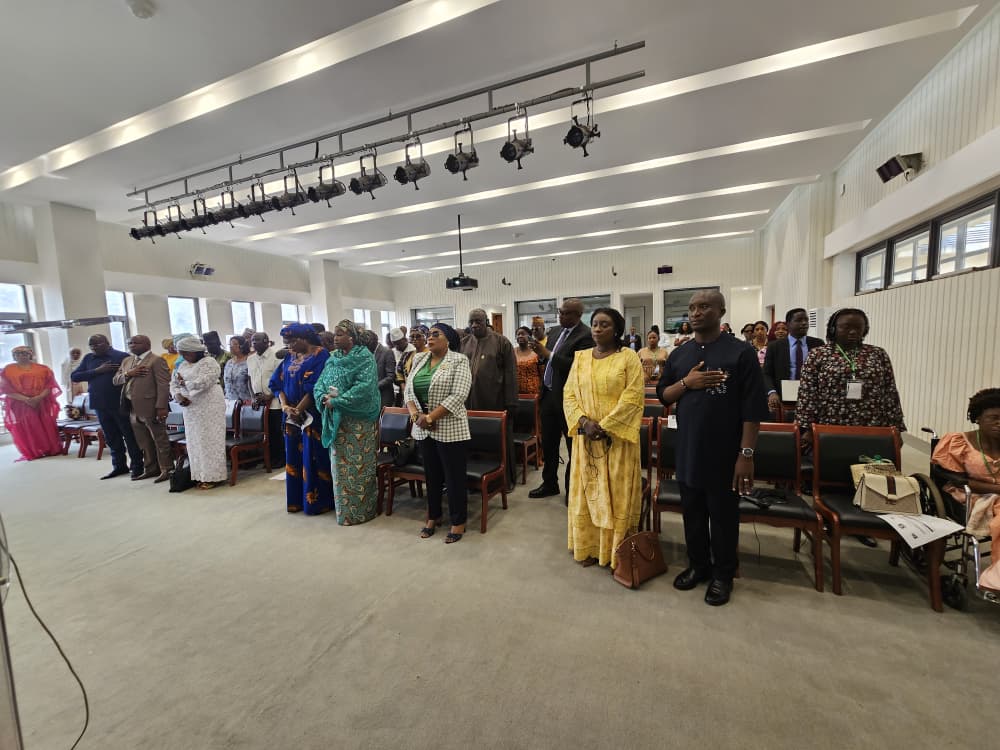
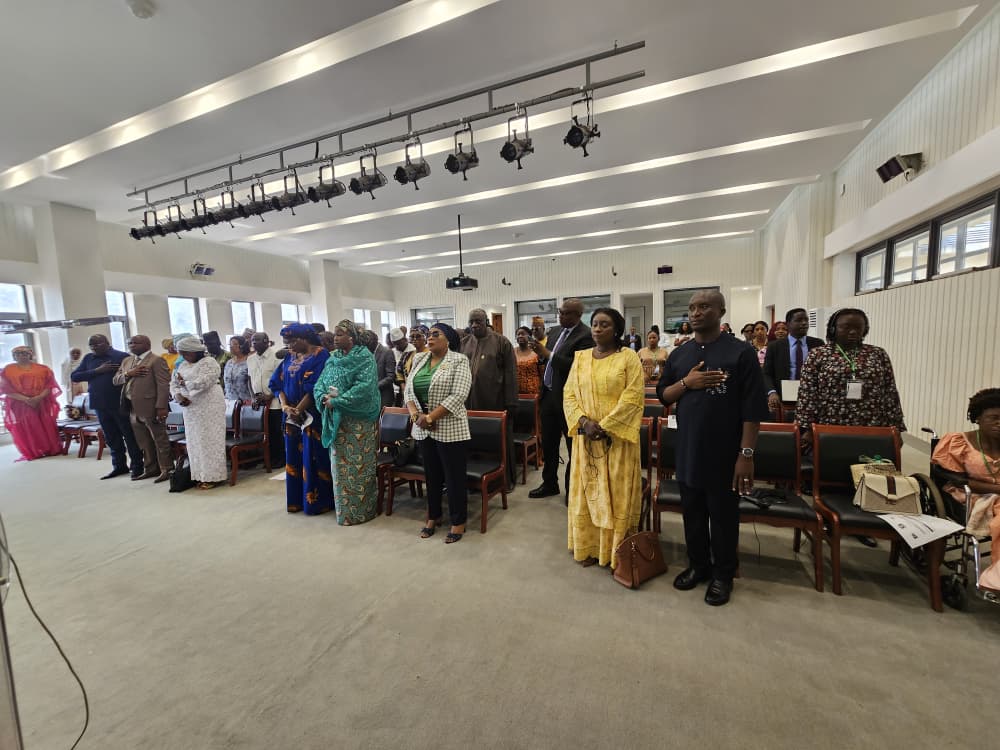
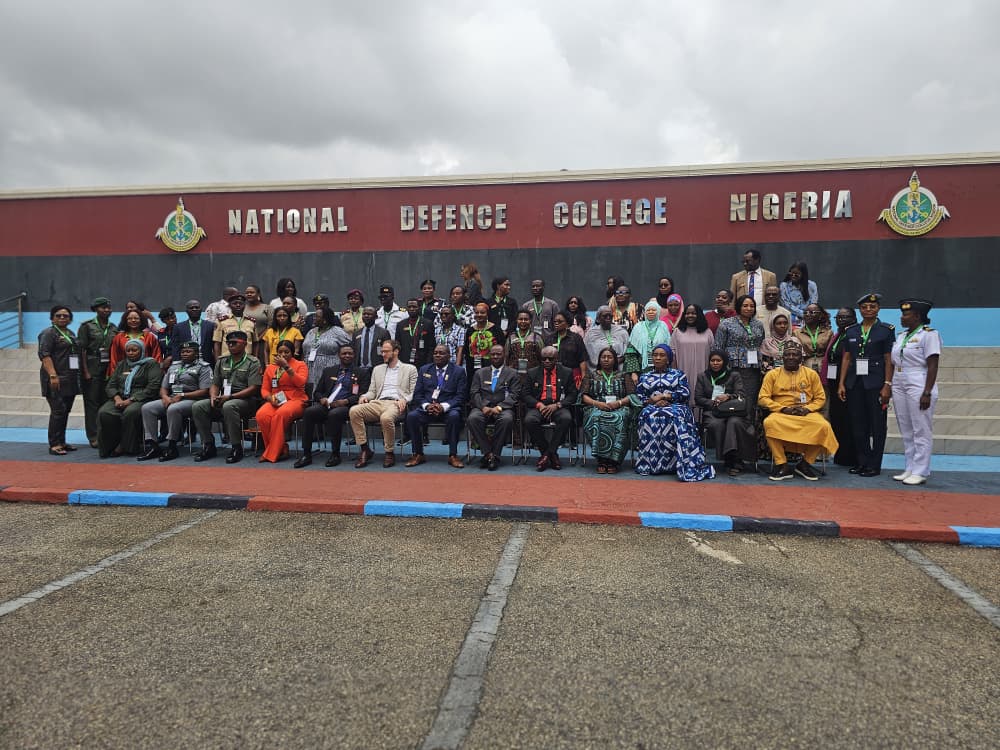
The Joint Committee of the ECOWAS Parliament comprising the Committees on Social Affairs, Gender, Women Empowerment & Persons with Disabilities; Legal Affairs & Human Rights; Trade, Customs & Free Movement; and Political Affairs, Peace, Security & the African Peer Review Mechanism (APRM) has concluded its meeting in Freetown.
The committee adopted a set of strategic and actionable measures to strengthen the protection of children in street situations and combat child exploitation across West Africa.
Held under the theme “Parliamentary Approaches to Safeguarding Children in Street Situations and Addressing Child Exploitation in the ECOWAS Region,” the meeting brought together parliamentarians, government officials, ECOWAS institutions, and civil society actors.
Discussions focused on bridging implementation gaps, strengthening frontline services, improving inter-agency coordination, and reinforcing accountability mechanisms across Member States.
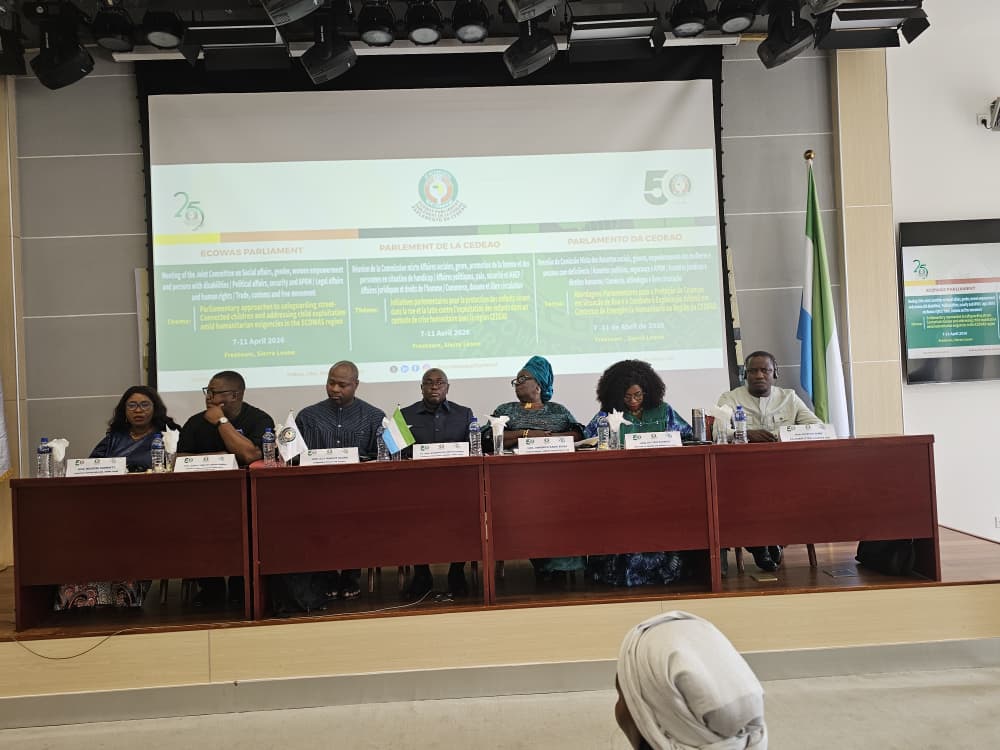
The Joint Committee called on Member States to adopt and operationalize dedicated, well-funded national strategies on children in street situations.
Parliamentarians emphasized the need to move beyond policy frameworks to concrete implementation, supported by clear targets and adequate financing, which they identified as immediate priorities.
Participants highlighted persistent challenges, including weak enforcement of existing laws and limited institutional capacity.
A major outcome of the meeting is the shift toward child-centred, inclusive, and trauma-informed protection systems. Member States are encouraged to ensure access to essential services for children in street situations, including education, healthcare, legal identity, and child-friendly justice.
Members of the Joint Committee also prioritized addressing the root causes of the phenomenon, calling on Member States to expand social protection programmes, strengthen family support systems, and implement poverty reduction measures to prevent child vulnerability.
Recognising the cross-border nature of child vulnerability, the Joint Committee underscored the need for a harmonized regional framework. It further stressed the importance of data-driven decision-making, calling for synchronized definitions, improved data collection, and stronger case management systems to ensure continuity of care for children on the move.
To this end, the Joint Committee recommended that the ECOWAS Commission lead efforts to:
● Establish cross-border protection and referral systems
● Develop safe repatriation and reintegration protocols
● Strengthen regional data-sharing mechanismsMembers lauded the ECOWAS Child Rights Information Management System (ECRIMS) but emphasized the
need for its expansion, identifying it as a key tool for enhancing transparency, tracking interventions, and supporting evidence-based policymaking across the region.
The Joint Committee reaffirmed its commitment to stronger legislative action, oversight, and advocacy. It also indicated its intention to push for the adoption of a Parliamentary Resolution on children in street situations, aimed at strengthening Member States’ monitoring of national and regional child protection frameworks.
The Public Hearing and field visits conducted during the meeting provided critical insights into gaps in service delivery, reintegration challenges, and the need for sustained, coordinated interventions. Education, vocational training, psychosocial support, and community reintegration were highlighted as essential components of effective child protection.
The meeting concluded with a strong commitment to translate policy into measurable action. Members of the Joint Committee sounded a call for action for concerted efforts towards protecting vulnerable children, tagging it both a moral obligation and a strategic investment in the region’s stability and development.






Leave a Reply