

Florence Joshua- DAKAR, Senegal
Africa’s energy crisis has increasingly become one of the continent’s most urgent development challenges, with far-reaching consequences for economic growth, industrialisation, food security and social stability. Across much of West Africa, millions of people particularly in rural communities still live without reliable access to electricity, limiting productivity and deepening poverty.
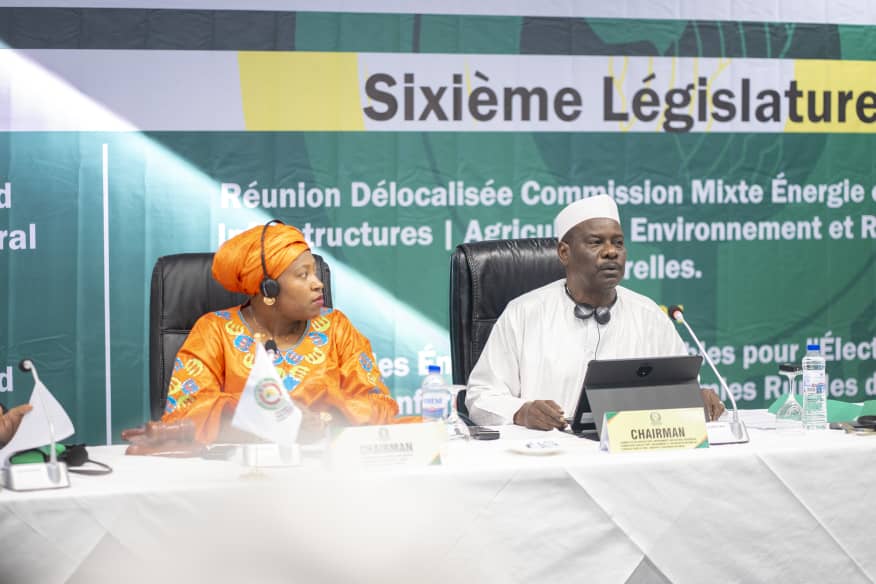
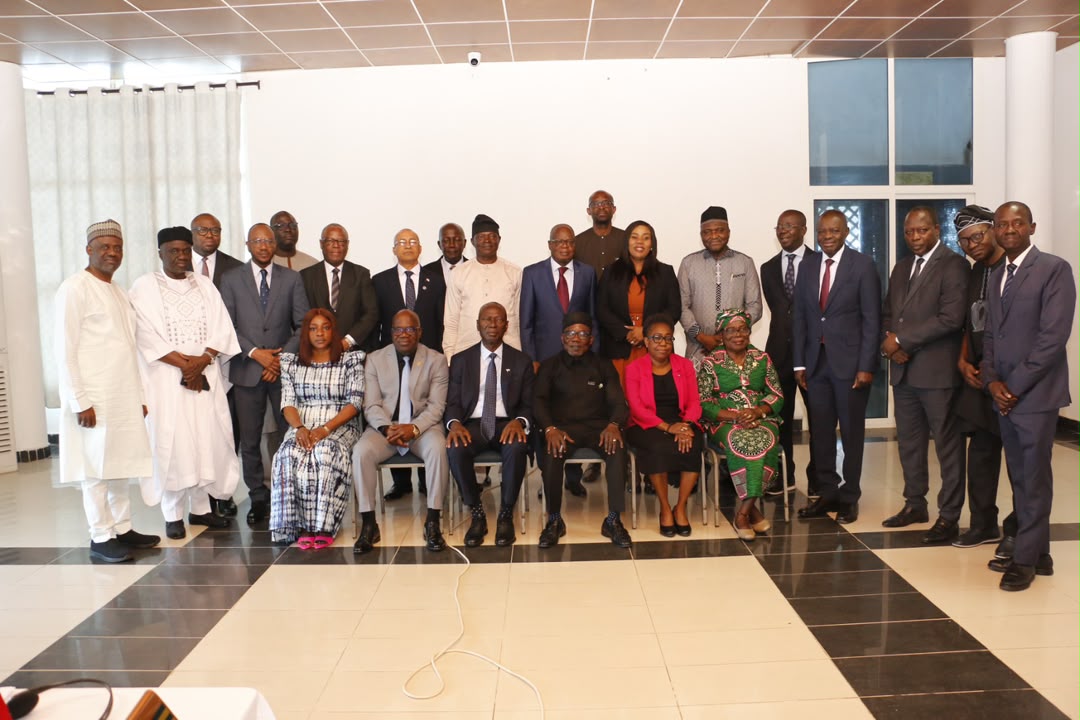
This pressing reality dominated deliberations at the ongoing ECOWAS Parliamentary Joint Committee meeting in Dakar, Senegal, where lawmakers, development financiers and renewable energy experts examined strategic pathways for expanding energy access and accelerating rural electrification.
At the heart of the discussions was a growing consensus that while West Africa possesses enormous renewable energy potential through solar, wind and hydropower resources, financing gaps, weak institutional frameworks and insufficient political commitment continue to slow progress toward universal energy access.
Making one of the strongest interventions at the session, Senator Ali Ndume, Chairman of the ECOWAS Parliament Committee on Agriculture, called on member states to make a bold financial commitment by allocating at least five per cent of their annual national budgets to rural development and renewable energy projects.
According to Senator Ali Ndume, governments across the region can no longer afford to treat rural electrification as a secondary policy issue, given its direct link to development, security and economic transformation.
Using figures presented during the meeting, Senator Ndume noted that a solar photovoltaic project costing approximately 7.6 million dollars could provide electricity to 50 rural communities, translating to less than one million dollars per community.
“For less than one million dollars, you can modernise a rural area,” Senator Ali Ndume said.
He argued that access to electricity in rural communities goes far beyond lighting homes, stressing that stable power supply can transform agricultural production, improve security, stimulate small-scale enterprises and reduce the migration of young people to already overcrowded urban centres.
“Once you do this, you are bringing rural development, security and agriculture. People will have no reason to leave their communities because development will come to them,” he added.
Senator Ndume’s proposal comes at a time when concerns are mounting over the slow pace of investment in renewable energy across the ECOWAS sub-region.
That concern was reinforced by Maimouna Sidibe of the ECOWAS Bank for Investment and Development (EBID), who revealed that renewable energy currently represents only four per cent of the bank’s energy financing portfolio despite growing energy demand and abundant renewable resources.
The disclosure raised serious questions about whether current funding structures are sufficient to address the scale of Africa’s energy deficit.
According to Maimouna Sidibe, EBID has traditionally focused on financing large-scale grid infrastructure and regional interconnection projects with predictable returns, leaving many small and medium renewable energy projects underserved.
She identified weak project preparation, limited bankability, regulatory bottlenecks and poor access to guarantee mechanisms as major obstacles discouraging private investment in rural energy infrastructure.
“The challenge is not the absence of opportunities but making projects financeable and bankable,” Maimouna Sidibe stated.
Also speaking during the deliberations, Professor Diouma Kobor, Director General of Senegal’s National Agency for Renewable Energy (ANER), stressed that solving Africa’s energy crisis requires more than isolated projects.
Professor Diouma Kobor argued that the region must shift toward interconnected, bankable energy portfolios capable of attracting large-scale private capital.
He advocated innovative blended financing models combining grants, concessional loans, commercial debt and private equity to reduce investment risks and lower the cost of electricity.
Professor Kobor also proposed the creation of regional guarantee mechanisms and “smart energy corridors” linking agriculture, transport and electricity infrastructure across ECOWAS member states.
Beyond financing power generation, Honourable Ahmed Munir, Vice Chairman of the ECOWAS Parliament Committee on Infrastructure, urged policymakers to ensure climate financing also drives industrial growth and local manufacturing.
Ahmed Munir warned that climate funding should not merely support the importation of renewable energy technologies but should strengthen local industries through strategic partnerships and technology transfer.
He also called for harmonised regional standards to prevent fragmented national approaches that weaken ECOWAS’ collective bargaining power.
The discussions in Dakar underscored a critical truth: Africa’s energy crisis is not driven by a shortage of renewable resources or technical solutions. The continent has the capacity to power its future sustainably.
What remains in short supply, however, is coordinated policy action, innovative financing structures and the political will be required to implement large-scale transformation.
As ECOWAS continues deliberations in Dakar, Senator Ali Ndume’s proposal for a five per cent budget allocation has emerged as one of the clearest calls for urgent action.







Leave a Reply