


By Florence Joshua
The Parliament of the Economic Community of West African States, has adopted a new resolution aimed at tackling terrorism and violent extremism across the sub-region.
The resolution was passed at the close of the Parliament’s two-week 2026 First Ordinary Session held in Abuja, with lawmakers calling for stronger regional cooperation to confront growing insecurity in the sub region.
As part of the resolution, the Speaker of the Parliament was mandated to transmit the document to the ECOWAS Commission for implementation and further action.
They described terrorism as one of the biggest threats facing both the West Africa sub region and the global community, stressing that member states must intensify efforts to combat extremist groups operating across borders.
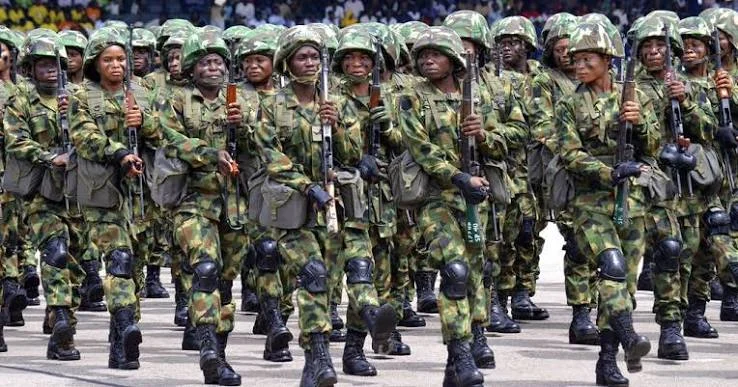
The Parliament urged ECOWAS member states to strengthen intelligence sharing, improve border security, and deepen joint military operations, including collaboration with the breakaway Sahel nations that recently distanced themselves from the regional bloc.
The resolution was partly triggered by concerns over the April 25 terrorist attacks in Mali, which reportedly claimed several lives, including members of the country’s security establishment.
According to the Parliament, the move aligns with existing ECOWAS protocols on conflict prevention, peacekeeping, and regional security cooperation.
Speaking after the session, Ghanaian lawmaker Dominic Napara said instability in the Sahel has serious consequences for neighbouring countries such as Nigeria and Ghana.
“Terrorism is a common enemy, and whatever happens in one country affects the rest of the region,” he said, emphasizing the need for unity despite political disagreements within the bloc.
Another lawmaker, Amodu Camera, described the Sahel crisis as one of the most pressing security challenges confronting ECOWAS.
He noted that while the Parliament can make recommendations and provide oversight, implementation ultimately rests with the ECOWAS Commission, the Council of Ministers, and national governments across the region.
The development comes amid rising concerns over worsening insecurity, military coups, and strained diplomatic relations within parts of the Sahel region, which continue to test regional stability and cooperation.







Leave a Reply