

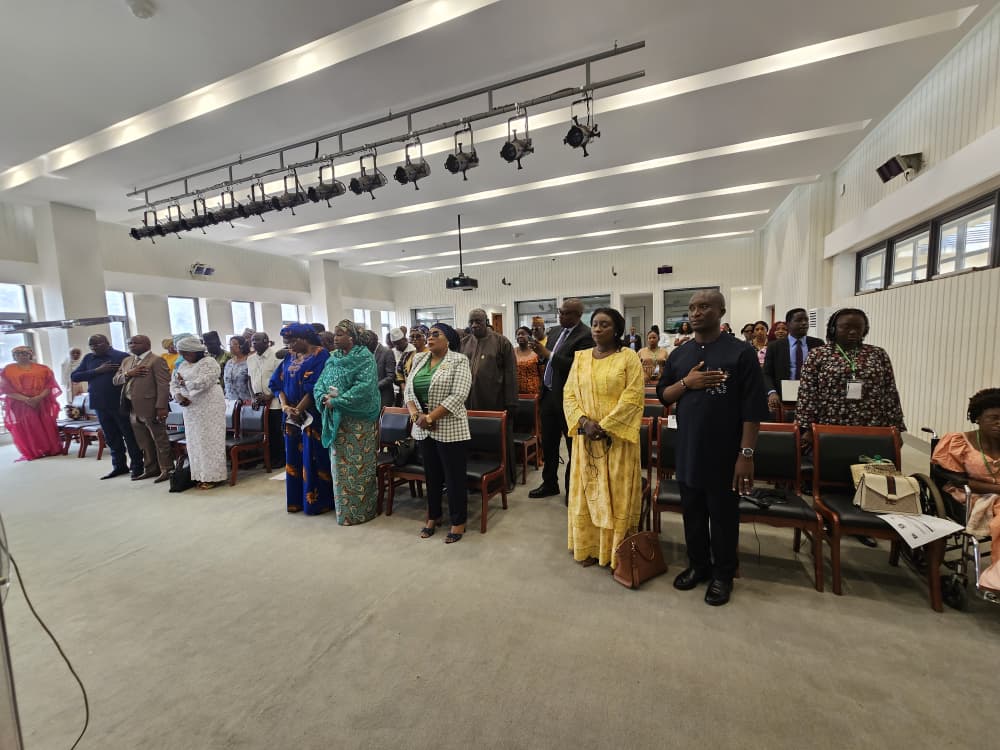
Lawmakers of the Economic Community of West African States Parliament have engaged tax and financial experts on strategies to combat Illicit Financial Flows (IFFs) and strengthen domestic resource mobilization across the sub region.
An interactive session held during the Sixth Legislature’s 2026 First Ordinary Session in Abuja, was organized by the West African Tax Administration Forum (WATAF) in collaboration with Tax Justice Network Africa where issues on illicit financial flows were discussed.
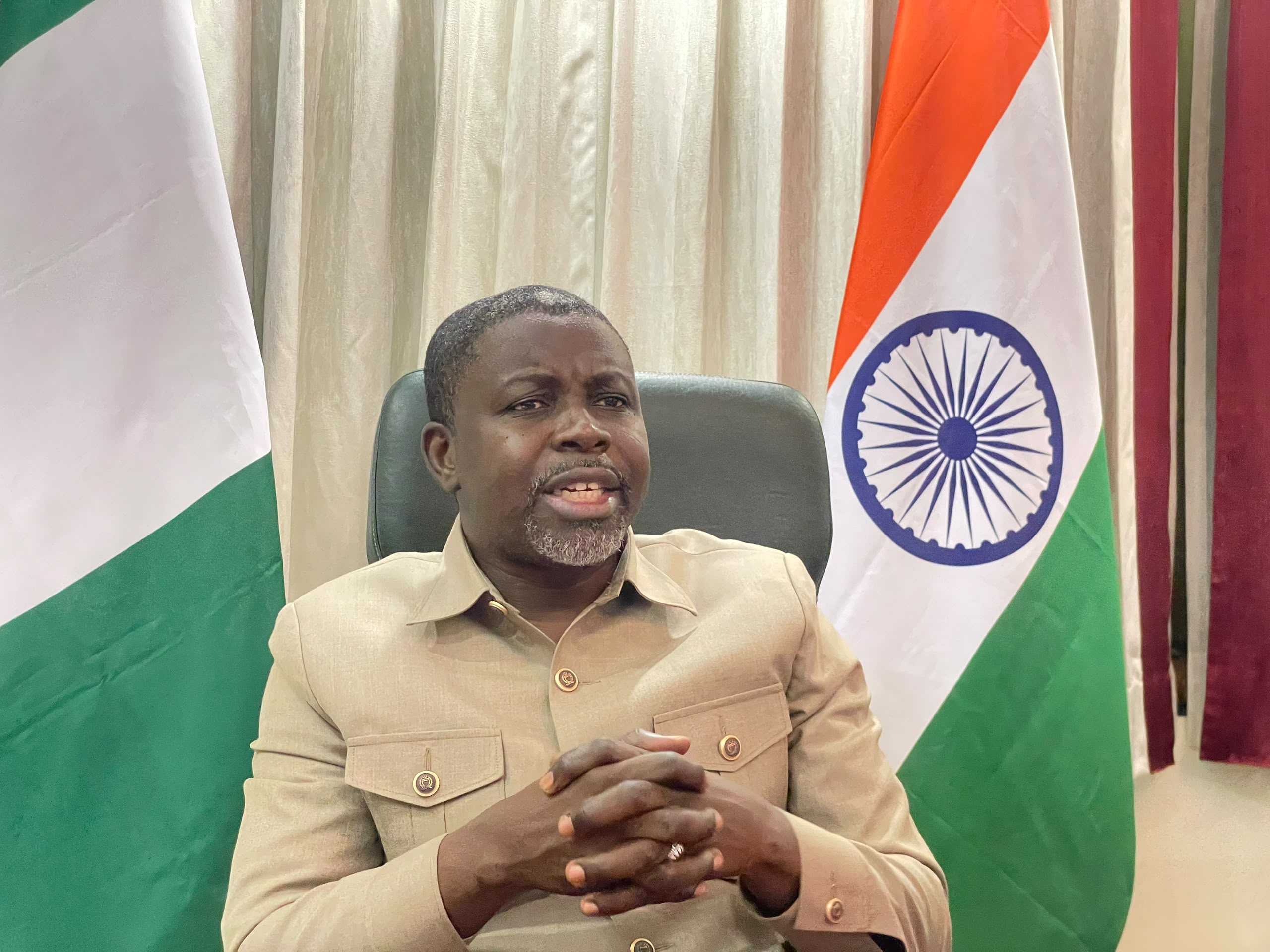
Presiding Speaker and Fourth Deputy Speaker of the ECOWAS Parliament, Billay G. Tunkara, said WATAF was established to improve tax administration and public service delivery within the sub-region. He stressed the importance of regional cooperation in addressing revenue leakages and strengthening economic integration.
Representing WATAF Executive Secretary, Jules Tapsoba, Communications and IT Manager, Danicius Kaihenneh Sengbeh, described the fight against IFFs as a matter of “sovereignty, fairness, accountability and the future of West Africa,” emphasizing the critical oversight role of lawmakers in tax administration.
Experts at the session revealed that Africa loses billions of dollars annually through tax evasion, tax avoidance, trade mis-invoicing and other harmful financial practices. Different presentations made during the dialogue pointed to commercially driven IFFs responsible for a significant percentage of the continent’s financial losses, particularly in the extractive sector.
Research findings presented by Nita Sidnoma Belemaobgo highlighted the need for harmonized tax policies and stronger domestic resource mobilization frameworks across ECOWAS member states.
The session also featured presentations on VAT harmonization, digital taxation, transfer pricing, transparency frameworks, extractive taxation and sustainable development financing, delivered by tax experts including Jonathan Aremu, Zandile Ndebele and Solomon Adoga.
Lawmakers raised concerns over cross-border trade, corruption, mining concessions, donor dependency and the impact of weak tax systems on Africa’s development. Several members also called for the deployment of Artificial Intelligence tools to improve transparency, tracking and accountability in revenue collection.
Responding to the concerns, the experts stressed that stronger information sharing, tax transparency and regional cooperation remain key to tackling IFFs, even without a single ECOWAS currency. They urged African countries to protect their taxing rights and reduce dependence on foreign aid by maximizing revenue from natural resources and local industries.
The experts further called for greater commitment to global tax reforms, improved monitoring systems and stronger legislation to curb illicit financial practices.
Closing the session, Speaker Billay G. Tunkara urged member states to ratify and domesticate laws aimed at combating illicit financial flows, while advocating stronger regional integration and resource mobilization across West Africa.




Leave a Reply