

By Florence Joshua
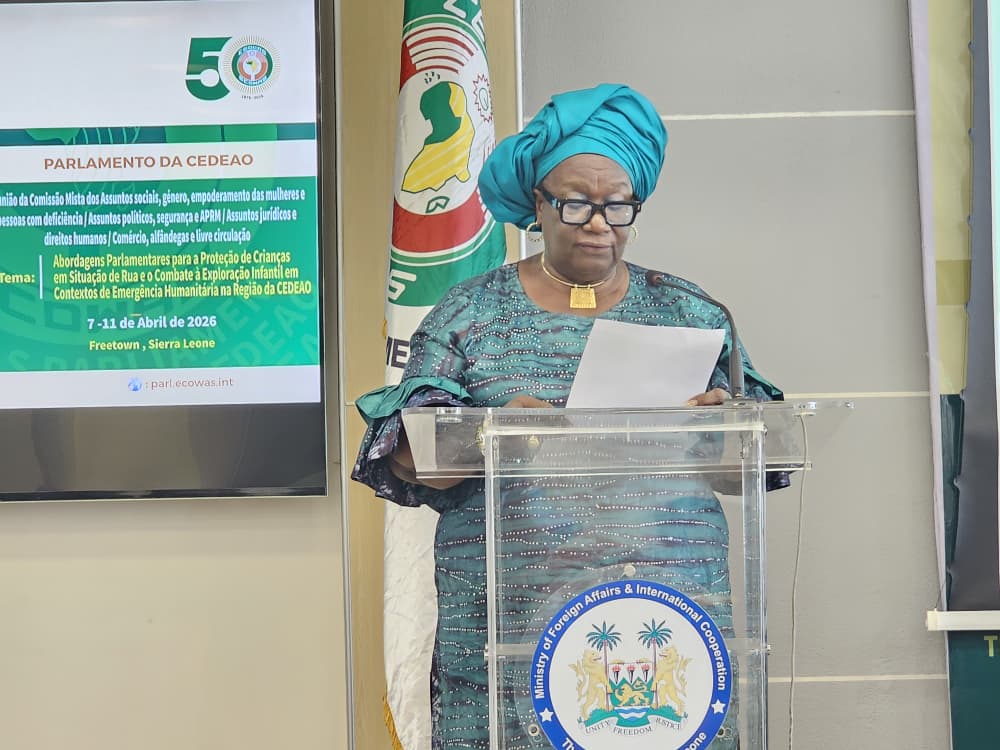
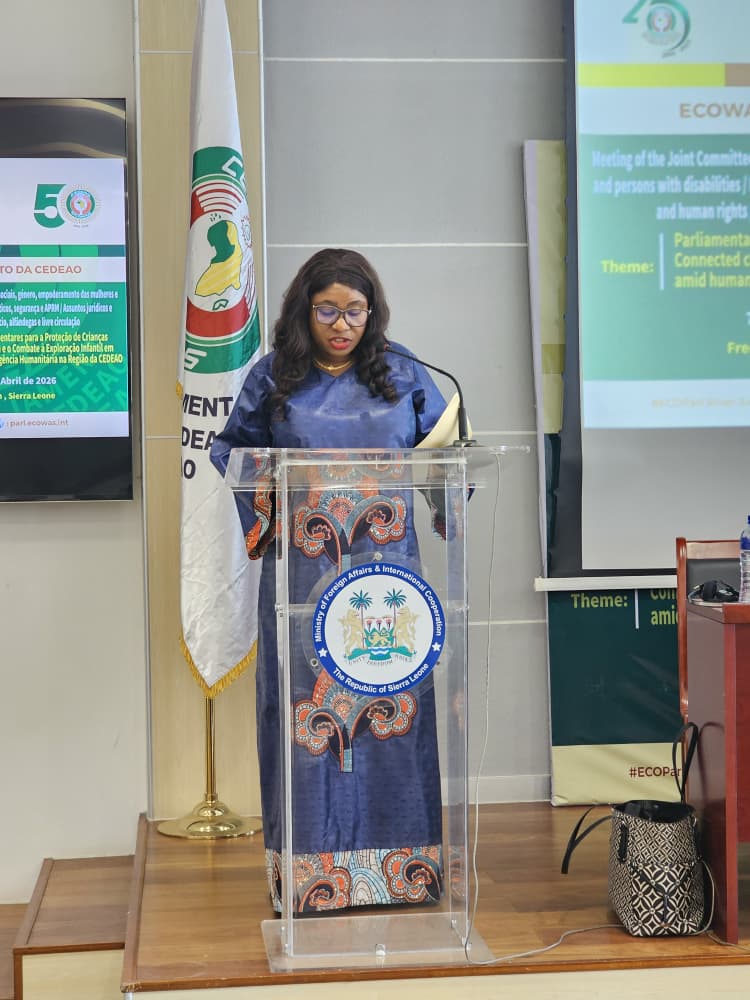
The Sierra Leonean government said it has outlined a comprehensive national approach to addressing the growing number of children living on the streets in the country, as discussions continue at the ongoing ECOWAS Parliament Joint Committee meeting in Freetown.
Officials of the Sierra Leone government and ECOWAS said the issue of children in street situations have been elevated to a national priority, acknowledging that it stemmed from deeper social and economic challenges affecting not only Sierra Leone but the wider West African region.
Representatives from the ECOWAS Commission’s Department of Human Development and Social Affairs, alongside Sierra Leone’s Ministry of Gender and Children’s Affairs, highlighted significant progress made through a combination of robust laws, policy frameworks, and community-based interventions aimed at protecting vulnerable children and reintegrating them into society.
At the heart of these efforts is the National Strategy for Addressing Issues of Children in Street Situations (2022–2024), developed in collaboration with the Ministry of Social Welfare, the Ministry of Gender and Children’s Affairs, and the National Commission for Children, said Bashiru Thullah, Assistant Director, Ministry of Gender and Children’s Affairs of Sierra Leone.
The strategy emphasises child protection, access to essential support services, family tracing, and reunification.
Key supporting policies include: The National Child Protection Strategy, which seeks to strengthen legal and institutional systems to safeguard children from abuse, exploitation, and neglect.
The Alternative Care Policy, designed to ensure children without adequate parental care are placed in safe, family-like environments.
“With technical support from UNICEF, the government has also introduced the Positive Parenting Education Programme,” said Lumranna Fatimata kuwma, Assistant Director, Ministry of Social Welfare.
“This initiative equips parents and caregivers with skills to build safer, more supportive homes and promotes non-violent discipline directly targeting one of the root causes that drive children onto the streets.”
Institutional and Community Response
The Ministry of Social Welfare has established new specialised directorates, including the Family Welfare Directorate and the Mental Health and Psychosocial Support Services Directorate. These units provide critical services such as family mediation, tracing and reunification, educational support, counselling, and rehabilitation for affected children. Security agencies are also contributing through Family Support Units within the Sierra Leone Police, which handle child-related and family welfare cases. In addition, broader social protection programmes including cash transfers and safety nets are helping to alleviate poverty and prevent children from resorting to street life. Strong Legal Framework Sierra Leone’s legal system offers robust protections for children. The Child Rights Act (recently amended) guarantees state care for vulnerable children, prohibits their involvement in hazardous labour, and regulates residential care homes to prevent abuse while prioritising family reunification. These laws are said to be fully aligned with regional and international child protection standards.
Way Forward
Stakeholders at the ECOWAS meeting acknowledged that while notable progress has been recorded, sustained implementation, effective coordination, and adequate resourcing will be critical to achieving lasting impact. As deliberations continue in Freetown, there is a growing consensus that protecting children in street situations requires more than well-crafted policies it demands consistent, coordinated action to ensure every child enjoys safety, dignity, and a brighter future.


Leave a Reply