

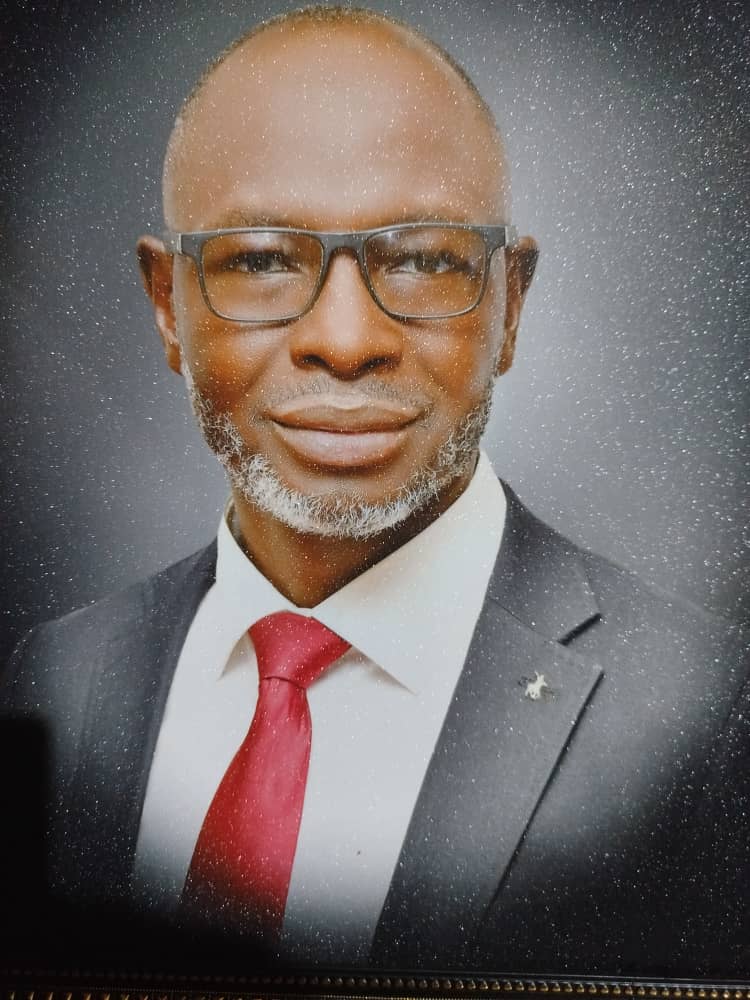
By Raymond Na’anlep Delmut
Dongfang Scholar, Peking University, China
The story of Africa’s liberation is not the story of a single nation. It is the story of a continent that, despite colonial boundaries, political differences, and varying levels of development, found common purpose in the struggle against oppression. Few chapters illustrate this better than the relationship between Nigeria and South Africa during the long battle against apartheid.
For more than three decades, Nigeria stood at the forefront of the international campaign against racial segregation and minority rule in South Africa. Successive Nigerian governments, regardless of political orientation, treated the liberation of Southern Africa not merely as a foreign policy objective but as a moral responsibility. In doing so, Nigeria emerged as one of Africa’s most influential advocates for freedom, justice, and human dignity.
Although geographically distant from Southern Africa, Nigeria became widely recognized as a frontline state in the anti-apartheid struggle. While the term “Frontline States” was traditionally associated with countries bordering apartheid South Africa, Nigeria’s diplomatic activism, financial commitment, political leadership, and unwavering support for liberation movements earned it a special place among nations that confronted apartheid directly. From the United Nations to the Commonwealth, from the Organization of African Unity to global civil society platforms, Nigeria consistently mobilized international opinion against the apartheid regime.
The foundations of this commitment were laid shortly after Nigeria attained independence in 1960. Under Prime Minister Sir Abubakar Tafawa Balewa, the country adopted an Africa-centred foreign policy that viewed the liberation of all African peoples as inseparable from Nigeria’s own freedom and destiny. Nigeria became an active advocate for the international isolation of apartheid South Africa and supported diplomatic efforts that increased pressure on the regime. At the founding summit of the Organization of African Unity in Addis Ababa in 1963, Nigeria reaffirmed its conviction that Africa could not be truly free while millions of Africans remained subjected to institutionalized racial oppression.
As apartheid intensified, Nigeria expanded its support beyond diplomacy. The country became a sanctuary for South African students, intellectuals, activists, and members of the African National Congress (ANC) who were forced into exile. Following the Soweto Uprising of 1976, Nigerian institutions opened their doors to young South Africans seeking education and safety. Scholarships were provided, educational opportunities were expanded, and many future leaders of democratic South Africa found refuge and support in Nigeria.
Among those who spent significant periods in Nigeria was Thabo Mbeki, who would later become President of South Africa. Nigeria also facilitated international advocacy efforts by supporting South African freedom fighters whose ability to travel had been restricted by apartheid authorities. These actions reflected a profound belief that the struggle against apartheid was not solely South Africa’s battle, but Africa’s collective responsibility.
The establishment of the Southern Africa Relief Fund marked another important phase of Nigeria’s contribution. Through this initiative, ordinary Nigerians joined the struggle in practical ways. Civil servants, students, professional associations, labour unions, and community groups contributed resources to support liberation movements and victims of apartheid. What made this effort remarkable was that solidarity became a national undertaking. The anti-apartheid movement was no longer confined to government policy; it became embedded in the consciousness of the Nigerian people.
Nigeria’s influence extended significantly into the multilateral arena. The country played a leading role in the United Nations Special Committee Against Apartheid and provided sustained diplomatic leadership in mobilizing global opposition to racial segregation. Nigerian diplomats worked tirelessly to strengthen international sanctions, encourage political pressure on Pretoria, and build consensus around the principle that apartheid was a crime against humanity.
The Commonwealth also became an important platform for Nigeria’s activism. Through the Commonwealth Eminent Persons Group, co-chaired by former Nigerian Head of State General Olusegun Obasanjo, international efforts intensified to encourage a peaceful transition to majority rule in South Africa. Nigerian diplomacy helped shape the global consensus that apartheid was morally indefensible, politically unsustainable, and incompatible with the emerging international order.
Perhaps the most enduring lesson from this history is that African solidarity was not rhetorical. It demanded sacrifice. Nigeria’s support for South Africa came at political, economic, and diplomatic costs. Yet successive governments remained steadfast because they understood that the fate of one African nation was tied to the fate of all. This philosophy was rooted in Pan-Africanism and reflected the belief that the freedom, dignity, and prosperity of African peoples are interconnected.
The eventual triumph of democracy in South Africa represented not only a victory for South Africans but also a victory for the broader African project. It demonstrated the power of collective action, principled diplomacy, and international cooperation. It showed that when nations of the Global South unite around a common cause, they can influence global outcomes and reshape history.
Today, the world faces new challenges. Economic inequality, technological disparities, climate change, food insecurity, migration pressures, and geopolitical competition continue to affect developing nations disproportionately. Yet the lessons of the anti-apartheid struggle remain relevant. The same spirit of solidarity that united African nations against racial oppression can serve as a foundation for deeper South-South cooperation in the twenty-first century.
Nigeria and South Africa, as two of Africa’s largest economies and most influential diplomatic actors, possess a unique responsibility in this regard. Their partnership has the potential to drive continental integration, strengthen regional institutions, promote intra-African trade, support technological innovation, and amplify African voices in global governance. The aspirations embodied in the African Continental Free Trade Area, the African Union’s Agenda 2063, and ongoing calls for reform of international institutions all require the same commitment to cooperation that characterized the anti-apartheid movement.
The history of Nigeria’s support for South Africa therefore transcends the past. It offers a roadmap for the future. It reminds Africans that unity is not merely an ideal but a strategic necessity. It reminds the Global South that collective action can overcome entrenched inequalities. Above all, it reminds us that solidarity, when transformed into practical action, possesses the power to change the course of history.
As Africa navigates an increasingly complex global environment, the memory of that shared struggle should inspire a renewed commitment to partnership, mutual respect, and common progress. The liberation of South Africa was one of the greatest achievements of modern African diplomacy. Preserving its lessons may prove equally important for the generations yet to come.




Leave a Reply