

By Florence Joshua
Across West Africa, millions of people wake up each day without access to reliable electricity. For many rural communities, the absence of energy is more than an inconvenience; it is a barrier to economic growth, quality healthcare, education, food security and improved living standards.
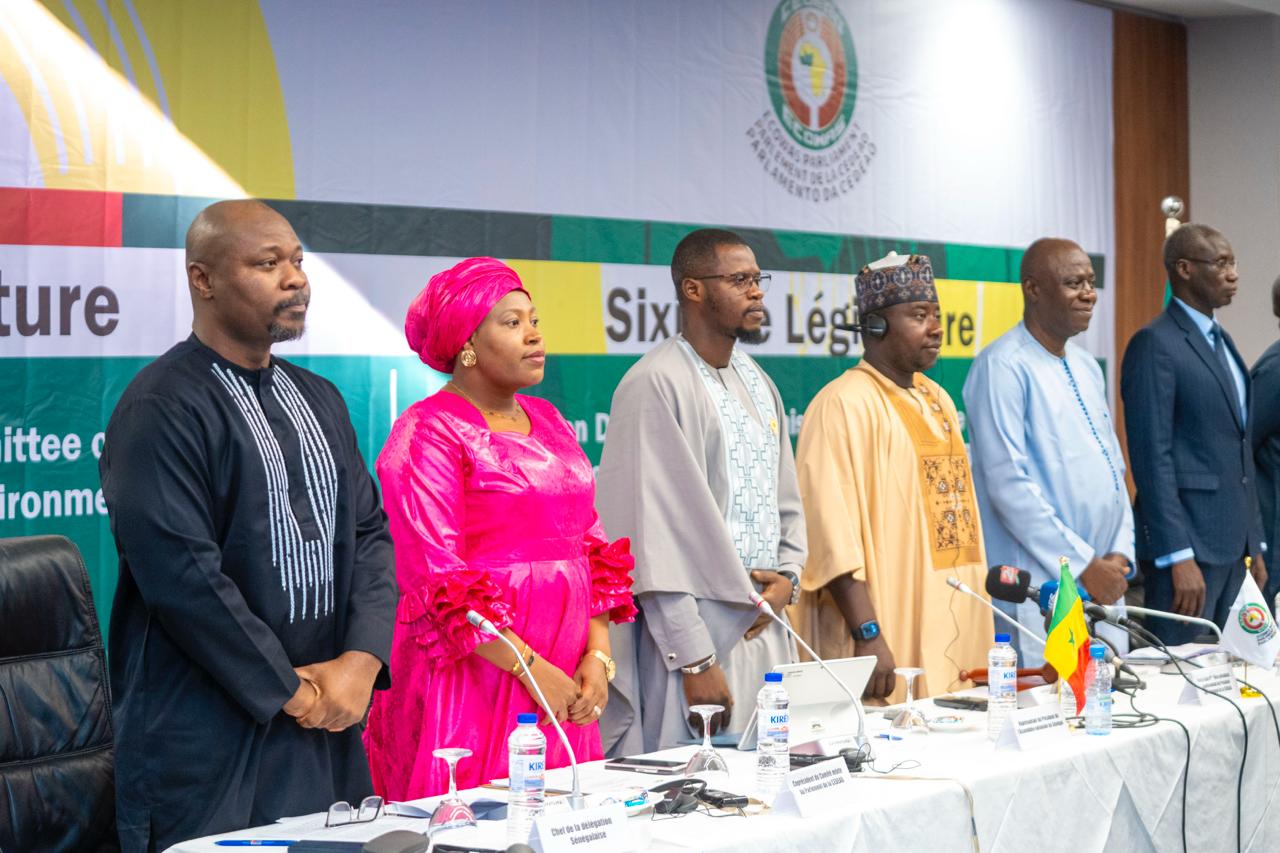
This reality dominated discussions at the ongoing ECOWAS Parliament Delocalised Joint Committee Meeting in Dakar, Senegal, where lawmakers, energy experts and government officials stressed that renewable energy must become a key driver of rural transformation.
Speaking at the meeting, representatives of the Senegalese Parliament and government argued that access to electricity is directly linked to development. They noted that communities without power often struggle with poor healthcare services, limited business opportunities, inadequate educational facilities and reduced agricultural productivity.
In many rural areas, farmers are unable to process or preserve their produce due to the lack of electricity. This results in significant post-harvest losses and reduced incomes. Small businesses also face challenges operating efficiently, limiting job creation and economic growth.
Education is equally affected. Schools without electricity are unable to maximize digital learning opportunities, while students often study under poor lighting conditions. Healthcare facilities face difficulties storing vaccines, operating medical equipment and providing emergency services at night.
Stakeholders at the meeting emphasized that renewable energy, particularly solar power, offers a practical solution to these challenges. With abundant sunshine across the region, solar mini-grids and off-grid systems can provide electricity to remote communities where extending national power grids remains expensive and difficult.
The participants highlighted several successful renewable energy projects across West Africa, including solar installations in Senegal, Ghana, Cape Verde, Niger and Côte d’Ivoire, demonstrating the potential of clean energy to transform local economies.
According to speakers, electrification goes beyond powering homes. It enables farmers to increase productivity, supports entrepreneurs, strengthens healthcare delivery, improves education outcomes and creates employment opportunities for young people and women.
“Behind every electrified village are more productive farms, stronger businesses, better-equipped schools, improved health centres and communities with renewed hope for the future,” one speaker noted during the deliberations.
The meeting also highlighted concerns about the region’s energy deficit despite its vast renewable energy resources. While West Africa possesses significant solar, wind, hydro and biomass potential, access to electricity remains low in many rural areas.
Participants therefore called for stronger regional cooperation, increased investments, innovative financing mechanisms and supportive legislation to accelerate renewable energy deployment.
As ECOWAS seeks to achieve universal energy access in the coming years, stakeholders agree that electricity is no longer a luxury but a necessity. For rural communities across West Africa, access to affordable and reliable energy could be the difference between poverty and prosperity, stagnation and development.
The message from Dakar is clear: empowering rural communities begins with empowering them through energy.





Leave a Reply